


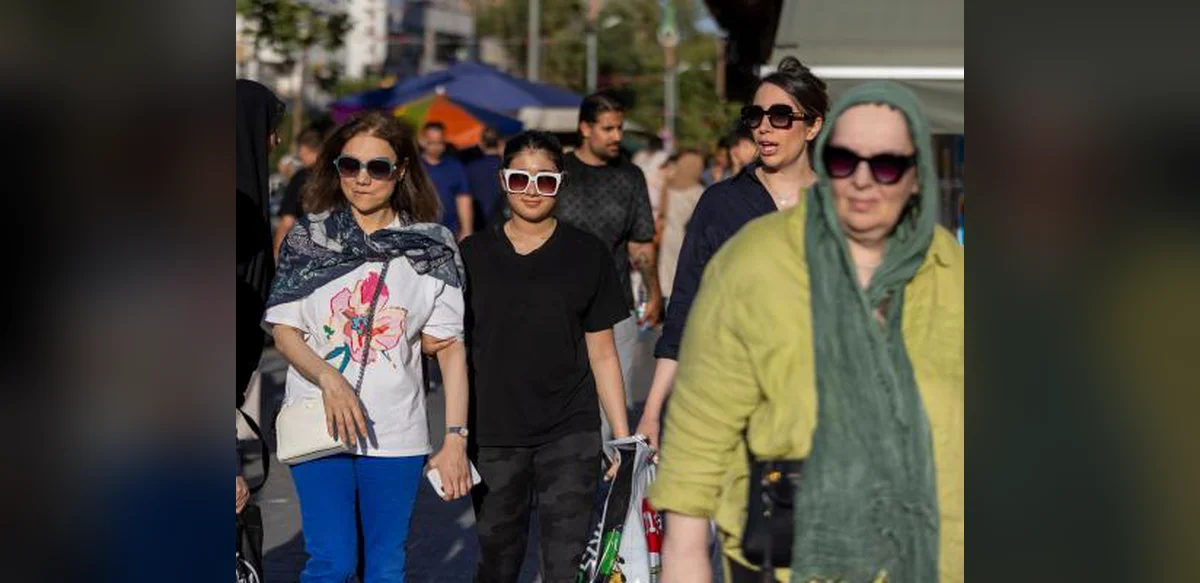
In the rural town of Sirik in southern Iran, temperatures have reached 45C over the past week. Residents continued queuing for water days after US strikes reportedly damaged two drinking water facilities. Amid shortages and fears of conflict, news emerged of a possible agreement between the US and Tehran. For those affected, the announcement offered little comfort. Nahid, a mother in Sirik, expressed fear over uncertainty around the deal. Villagers queued in extreme heat, concerned shortages could persist. Though supply resumed after 12 hours, amounts remained insufficient. Her four-year-old suffered from dehydration and hygiene issues. As the family’s sole earner working as a seamstress, she worried about her daughter’s health. Reactions across Iran vary. Alborz, a Tehran writer, described widespread frustration with global leadership. Initial relief at minimal concessions gave way to divided views: regime supporters, those favoring foreign intervention via the former royal family, and a growing third group rejecting both. Hardliners angry at any deal with the US have rallied in support of the Revolutionary Guard. Mina, a Tehran screenwriter, noted differing angers: regime loyalists oppose compromise, while critics feel betrayed by shifting US policy. She supports a transitional role for Reza Pahlavi and questioned selective international attention to casualties. Shaghayegh, injured in earlier protests, doubted lasting change and questioned alliances. Exhaustion and skepticism persist amid fragile prospects.


