

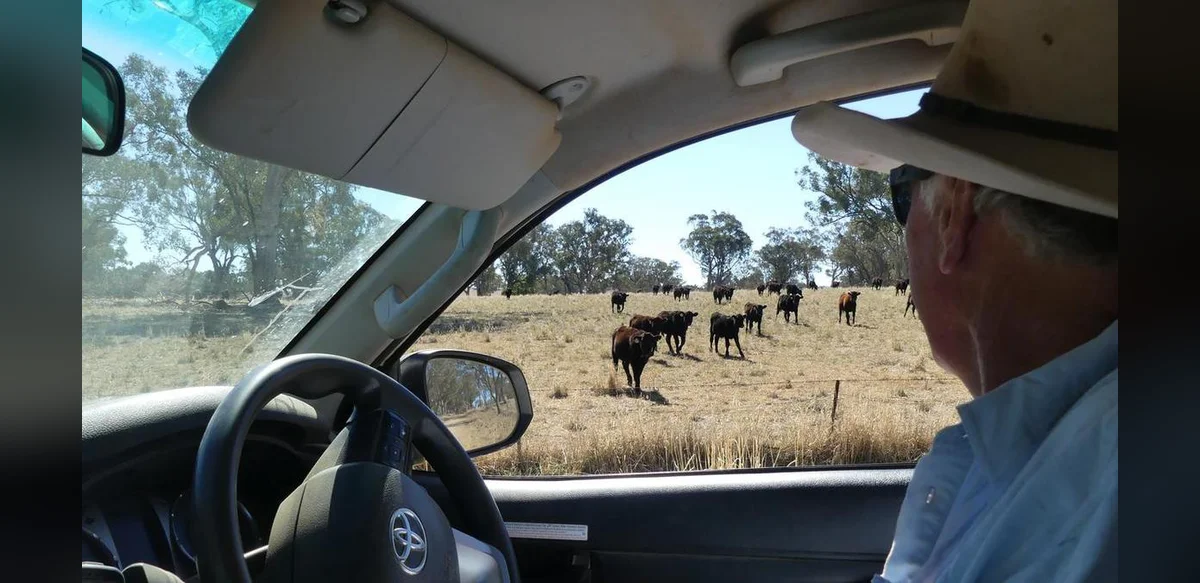
The Australian Labor government has unveiled a comprehensive strategy aimed at strengthening national fuel security by converting agricultural waste into sustainable energy sources. This approach seeks to address multiple objectives simultaneously, including expanding domestic fuel availability, reducing greenhouse gas emissions, and providing economic support to farming communities across the country.
Officials emphasized that the plan represents a practical response to ongoing challenges in energy supply and environmental sustainability. By focusing on materials such as crop residues, animal manure, and other byproducts from agricultural operations, the initiative aims to create a reliable pipeline of renewable fuels without competing with food production resources.
The policy framework includes incentives for farmers to participate in waste collection programs, alongside investments in processing facilities designed to transform these materials into usable biofuels. Government representatives noted that such measures could help stabilize fuel prices over the long term while contributing to broader climate goals.
Industry analysts have observed that similar programs in other nations have demonstrated potential for both environmental and economic benefits. In this case, the emphasis on local sourcing is expected to minimize transportation-related emissions and create new revenue streams for rural areas that have faced difficulties in recent years.
Implementation details are still being finalized, with consultations planned involving agricultural organizations, energy companies, and environmental groups. The government has indicated that pilot projects will begin in select regions to test the efficiency of collection and conversion processes before a wider rollout.
Supporters of the plan argue that it aligns with existing commitments to transition toward cleaner energy options. They point out that utilizing waste products avoids the need for additional land use changes that might otherwise impact biodiversity or food security.
Critics, however, have raised questions about the scale of investment required and the timeline for achieving meaningful results. Some have called for greater transparency regarding cost estimates and projected outcomes in terms of emission reductions and fuel output volumes.
The announcement comes amid broader discussions on energy policy and rural development. Lawmakers have stressed the importance of balancing immediate energy needs with long-term sustainability targets, suggesting that this waste-to-fuel approach could serve as one component of a diversified strategy.
Further announcements are anticipated in the coming months as technical assessments and stakeholder feedback are incorporated into the final policy design. The government has expressed confidence that the initiative will deliver tangible advantages for both the agricultural sector and the national economy as a whole.
Additional background information highlights that farming waste has long been viewed as an underutilized resource in energy production. Advances in conversion technologies have made it increasingly feasible to process these materials at scale, opening opportunities for integration into existing fuel distribution networks.
Regional variations in agricultural practices will likely influence the specific types of waste targeted under the program. For instance, areas with significant livestock operations may focus on manure-based biogas, while grain-producing regions could prioritize straw and other plant residues.
Monitoring mechanisms are expected to track progress against key performance indicators, including volumes of fuel produced, emission savings achieved, and income generated for participating farmers. Regular reporting will help ensure accountability and allow for adjustments as needed.
Overall, the initiative reflects an effort to leverage domestic resources in pursuit of energy independence and environmental responsibility. As details emerge, stakeholders across multiple sectors will continue to assess its potential impact on Australia’s energy landscape.


