

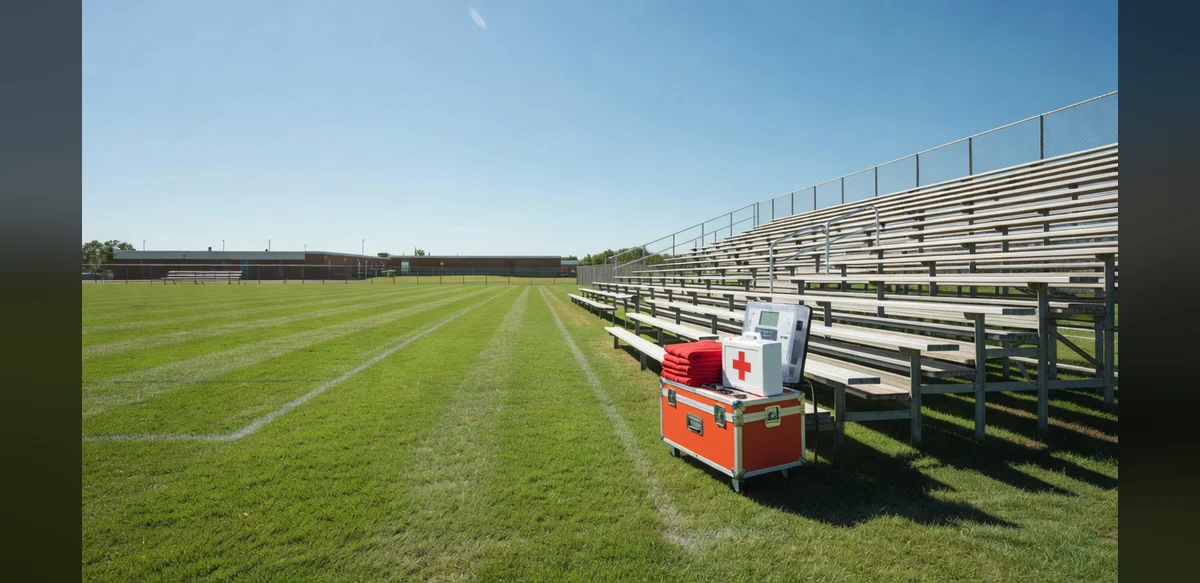
A new law introduced by Sen. Joe Rafferty aimed at improving emergency preparedness at school athletic events took effect this period. The measure requires educational institutions across Maine to establish clear policies regarding access to automated external defibrillators during activities. Officials note that the legislation seeks to ensure timely response capabilities in cases of sudden cardiac incidents on campus grounds.
School administrators are now tasked with reviewing current protocols and updating them to align with the updated standards. This includes designating specific locations for device storage and training designated personnel on proper usage procedures. The change applies to both public and private institutions that host athletic competitions or practices.
Local education leaders have begun assessing their existing resources to determine what adjustments may be necessary. Some districts report already maintaining defibrillator units at main facilities while others plan to acquire additional units to cover outdoor venues. Coordination with local emergency services is also encouraged to streamline communication during incidents.
The legislation emerged from discussions about enhancing safety measures at youth sports settings. Proponents highlighted the importance of having immediate access to life-saving equipment given the physical demands placed on student athletes. Data from health organizations indicates that rapid intervention can significantly improve outcomes in cardiac emergencies.
Implementation timelines allow schools a reasonable period to develop compliant policies without disrupting ongoing academic or athletic schedules. State education departments are expected to provide guidance documents outlining best practices for compliance. Regular reviews of these policies will help maintain effectiveness over time.
Parents and community members have expressed support for the initiative as it reinforces a commitment to student well-being. Athletic directors are working closely with health staff to integrate the requirements into daily operations. Training sessions focused on device operation and emergency response are being scheduled at various locations.
The law represents a step toward standardizing safety expectations statewide. By mandating policy adoption it creates a framework that can be adapted to individual school needs while ensuring core elements remain consistent. Monitoring of adherence will occur through routine administrative oversight.
Broader conversations about school safety continue to evolve with input from medical professionals and educators. This particular measure focuses specifically on athletic events but may inform future considerations for other campus activities. Continued collaboration among stakeholders will support successful rollout across all affected institutions.


