

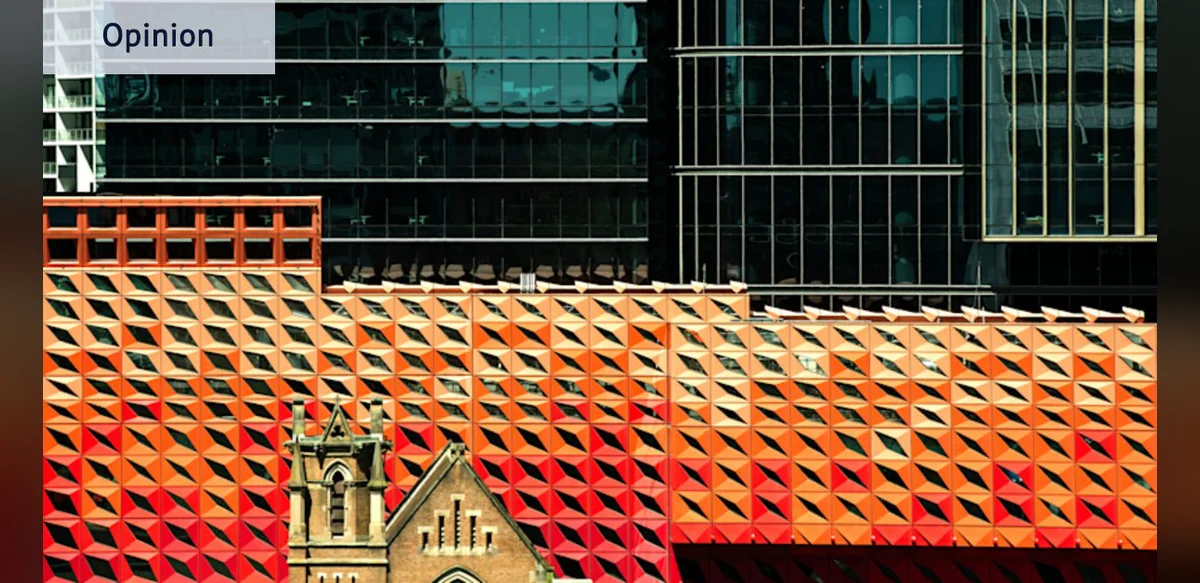
Parramatta has undergone a remarkable transformation over the past three decades, evolving from a quiet suburban area into a dynamic urban center. What was once viewed primarily as a residential extension of Sydney has developed its own distinct identity, marked by steady investment in infrastructure and community facilities.
The changes have been gradual yet consistent. Early efforts focused on improving transport links, which helped connect the area more effectively to the broader metropolitan region. Over time, new commercial developments followed, bringing offices, retail spaces, and public amenities that encouraged both residents and visitors to spend more time locally.
Today, the area stands out for its mix of cultural offerings and modern architecture. Public spaces have been redesigned to accommodate events and gatherings, fostering a sense of community engagement. Local businesses have adapted to the growing population, contributing to a diverse economy that includes services, education, and small-scale manufacturing.
Residents often speak of the pride they feel in the neighborhood’s progress. Many have lived through the various stages of development and note how the once-limited options for dining and entertainment have expanded significantly. This shift has made daily life more convenient while preserving some of the original character that long-time inhabitants value.
Urban planners involved in the project emphasize the importance of balanced growth. Rather than rapid expansion that could strain resources, the approach has prioritized sustainable practices, including better public transport and green corridors. These measures aim to support continued population increases without compromising quality of life.
Challenges remain, particularly around housing affordability and managing construction impacts on existing neighborhoods. Officials continue to work with community groups to address concerns and ensure that development benefits a wide range of stakeholders.
Looking ahead, further projects are planned to enhance connectivity and add more public facilities. The goal is to maintain momentum while keeping the area accessible and inclusive. Observers note that the combination of long-term vision and incremental improvements has been key to the current success.
The story of this transformation serves as an example of how sustained attention to local needs can lead to meaningful urban renewal. While the process has spanned thirty years, the results demonstrate the value of patience and strategic planning in city development.


