


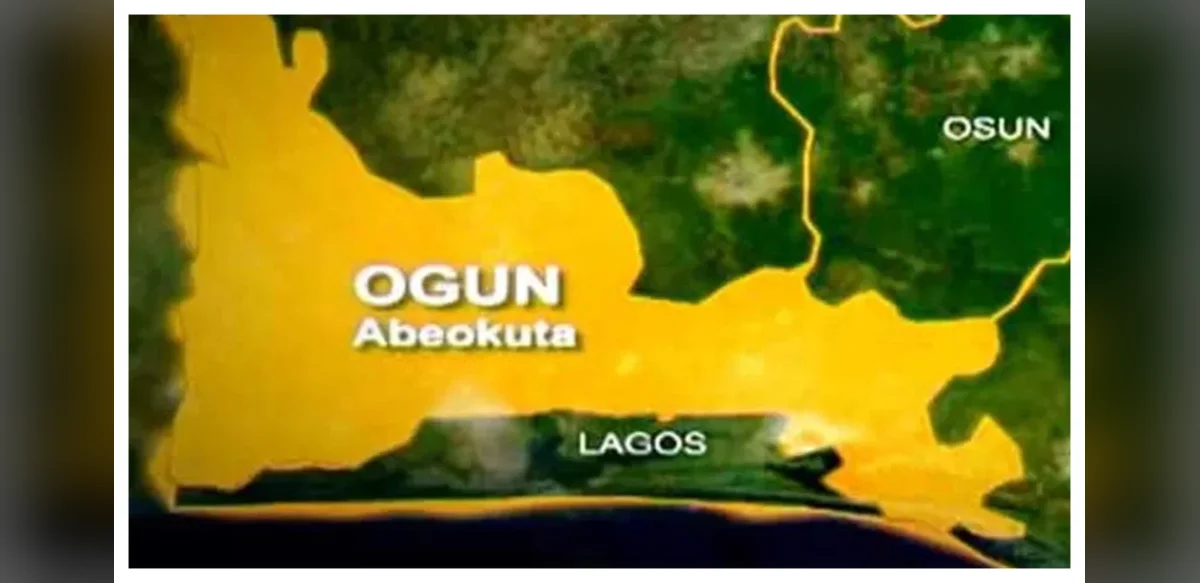
A local pressure group known as the Ogun Youth Vanguard has responded to recent questions raised about the indigeneship status of a prominent All Progressives Congress figure seeking the governorship. The organization stated that the challenger lacks sufficient grounds to scrutinize the candidate’s background in this manner.
The statement comes amid ongoing political discussions in Ogun State ahead of upcoming elections. According to the group, the individual in question has long been recognized as a native son with deep roots in the community. They emphasized that public records and longstanding community ties support this position.
Critics have pointed to residency and ancestral connections as key factors in determining eligibility for certain political roles. The Ogun Youth Vanguard countered that such inquiries appear selective and fail to account for the full history of the candidate’s family and contributions to local development.
In their release, the group highlighted several instances where the candidate participated in state initiatives and supported infrastructure projects over the years. They argued that these actions demonstrate commitment to the region that goes beyond formal documentation.
The opposing side, represented by another aspirant, has suggested that clearer proof of origin is necessary to ensure fairness in the contest. This has sparked debate among residents about the criteria used to define belonging in the state.
Community leaders have called for calm and urged all parties to focus on policy issues rather than personal credentials. They noted that Ogun State has a diverse population with many families tracing their heritage across multiple local government areas.
The Ogun Youth Vanguard further claimed that the challenger has his own family history that could invite similar examination if pursued. They described the current line of questioning as inconsistent with past practices in state politics.
Observers say the exchange reflects broader tensions in Nigerian electoral contests where indigeneity often plays a role in voter perceptions. Legal experts have pointed out that the constitution addresses citizenship at the national level but leaves room for state-level interpretations on certain matters.
The group pledged to continue advocating for what they see as equitable treatment of all qualified aspirants. They invited independent verification of the candidate’s ties through traditional institutions and government archives.
Residents interviewed in various parts of the state expressed mixed views. Some welcomed the clarification while others hoped the focus would shift to economic plans and security concerns.
Political analysts suggest that such disputes can influence campaign narratives but rarely alter the fundamental qualifications under electoral law. They recommend that aspirants present comprehensive profiles early to avoid prolonged distractions.
The Ogun Youth Vanguard concluded by affirming their support for transparent processes that respect established community standards. They encouraged dialogue among stakeholders to prevent escalation of the matter.
As the election cycle progresses, similar discussions may arise in other states where ancestry and residency intersect with political ambitions. The current episode in Ogun serves as an example of how these issues are navigated locally.
No formal complaints have been filed with electoral authorities at this stage. The debate remains largely within the realm of public commentary and party circles.
The pressure group reiterated its commitment to youth involvement in governance and urged members to prioritize issues affecting employment and education in the state.
Further statements from involved parties are expected as the campaign season intensifies. Both sides have indicated willingness to engage through established political channels rather than public confrontations.
This development underscores the importance of clear communication regarding personal backgrounds in competitive races. It also highlights the role of civil society groups in shaping the discourse around candidate suitability.
State officials have remained neutral on the specific claims, stressing that the electoral commission will handle any formal challenges according to laid down procedures.
The conversation continues to evolve with contributions from traditional rulers and professional associations in Ogun. Their input may help provide context on historical settlement patterns in the region.
Overall, the episode illustrates the complexities of political participation in a federation where local identities carry significant weight alongside national citizenship.


