

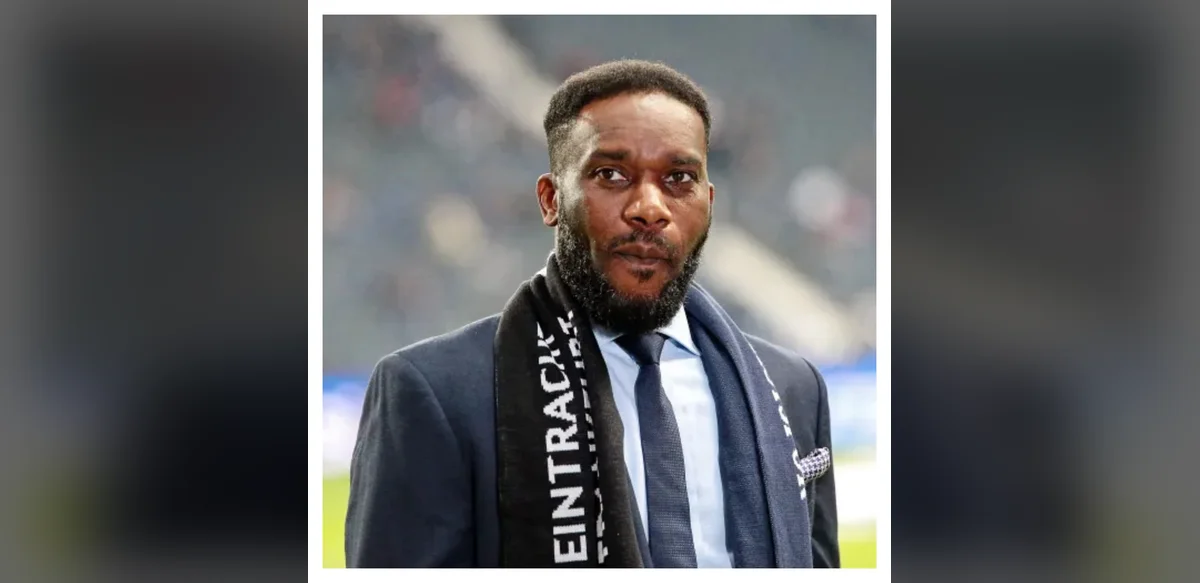
Former captain of Nigeria’s national football team Austin Okocha has shared details of a conversation with Brazilian star Ronaldinho regarding the Super Eagles failure to reach a major tournament. The exchange took place during an informal meeting between the two players who share a history of international competition and mutual respect on the field.
Okocha described how Ronaldinho expressed surprise at Nigeria’s absence from the event and sought an explanation for the outcome. The discussion highlighted the global interest in African football and the expectations placed on teams like the Super Eagles to perform at the highest levels.
Throughout his career Okocha earned recognition for his skill and leadership in both club and international matches. He captained Nigeria during a period that included several notable appearances in continental competitions. His tenure as leader of the squad coincided with efforts to build consistency and competitiveness against strong opponents from around the world.
Ronaldinho meanwhile achieved widespread acclaim for his performances with Brazil and various clubs. Known for creativity and flair the player often engaged with peers from other nations during tournaments and friendly gatherings. The question posed to Okocha reflected a broader curiosity among international figures about the challenges faced by Nigerian football in qualifying cycles.
Qualification for global events depends on a combination of results in regional matches performance consistency and sometimes external factors such as scheduling or administrative matters. Nigerian teams have experienced both successes and setbacks in these processes over the decades. Observers note that maintaining a strong domestic league and effective player development pathways remain ongoing priorities.
The revelation from Okocha provides insight into the personal interactions that occur among retired and active players. Such exchanges often occur away from public view and reveal the human side of the sport beyond match statistics and tournament outcomes.
Football continues to serve as a unifying element across continents with figures like Okocha and Ronaldinho contributing to its popularity through their achievements and continued involvement in related activities. Their careers intersected at a time when the game was evolving rapidly with increased attention on emerging talents from Africa and South America.
Analysts suggest that conversations like the one described can foster greater understanding between different football cultures. They also underscore the pressure and expectations that accompany participation in events of worldwide significance.
Okocha has remained active in football discourse since retirement offering commentary and participating in events that promote the sport in Nigeria and beyond. His accounts of past encounters add context to the history of the Super Eagles and their interactions with legendary opponents.
The episode serves as a reminder of the interconnected nature of international football where players from diverse backgrounds share experiences and questions about performance and qualification. Future cycles will likely see continued efforts by Nigerian football authorities to address areas for improvement and build on past accomplishments.
In summary the account shared by Okocha illustrates a moment of cross-cultural exchange centered on a specific sporting disappointment. It highlights the ongoing dialogue within the global football community about development pathways and competitive standards without assigning blame or drawing definitive conclusions.
Additional reflections from former players often emphasize resilience and the need for sustained investment in youth programs and infrastructure. These elements are viewed as essential for consistent qualification success in major tournaments.
The story resonates with fans who follow the Super Eagles closely and appreciate the perspectives of those who have represented the nation at the highest levels. It also draws attention to the respect commanded by Nigerian football figures among their international counterparts.
Overall the narrative remains focused on the reported conversation and its implications for understanding the broader context of national team performance in global competitions.


