

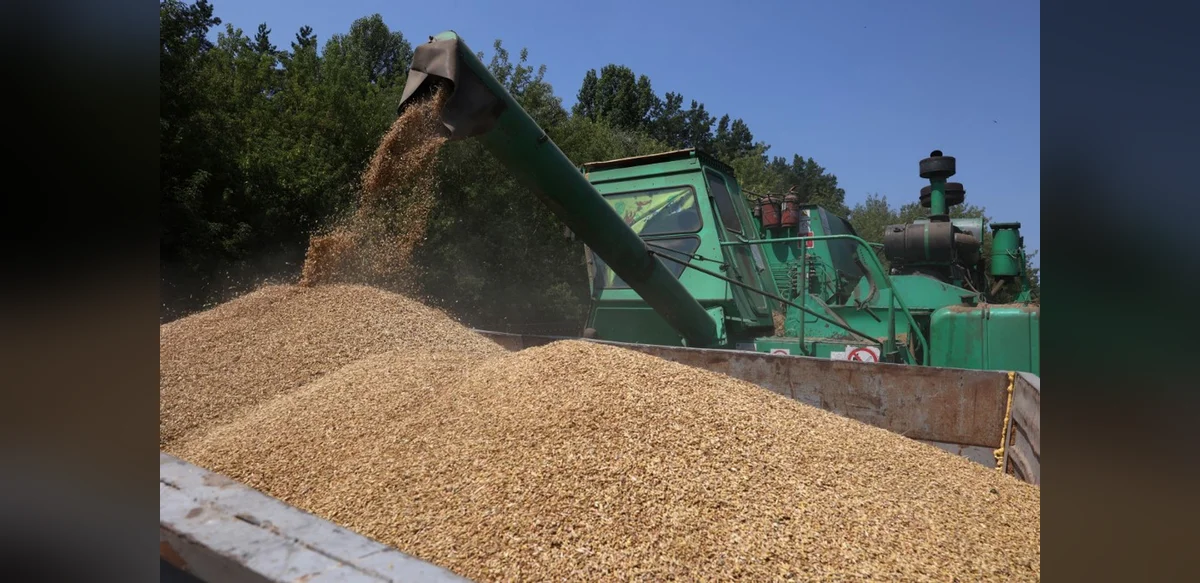
Poland has decided to continue its restriction on imports of grain originating from Ukraine. The agriculture minister made this position clear in a recent statement. Officials emphasized that the policy aims to support domestic farming communities facing market challenges.
The announcement comes as European Union representatives have pressed for changes to allow greater inflows of Ukrainian grain. Polish authorities however remain firm on maintaining the current limits. This approach seeks to stabilize prices and ensure viability for local agricultural operations.
Farmers in Poland have expressed concerns over potential surges in supply that could affect their revenues. The minister highlighted these issues as central to the decision. Government representatives noted that protecting the sector remains a priority amid ongoing regional developments.
Discussions between Polish officials and EU counterparts have focused on trade balances and supply chain impacts. Despite external suggestions the country intends to enforce the import limits as planned. This stance reflects a commitment to national agricultural interests.
The policy is expected to remain in place for the foreseeable future according to the ministry. Local producers have welcomed the confirmation as it provides certainty for planning. Broader implications for regional trade relations continue to be monitored by analysts.
In summary the Polish government views the restriction as essential for sector resilience. The minister reiterated that farmer welfare guides all related choices. No immediate alterations to the import framework are anticipated based on the latest declarations.
Further statements from the ministry may provide updates if circumstances evolve. Stakeholders in agriculture are advised to follow official channels for any developments. The focus stays on sustaining a stable environment for Polish farming activities.
This position aligns with efforts to address domestic market pressures effectively. Officials have stressed the importance of balanced trade policies that do not disadvantage local participants. The grain import limits thus serve as a key tool in that strategy.
Overall the decision underscores Poland’s approach to agricultural governance in the current context. By maintaining the ban the country aims to foster long term sustainability for its producers. EU level dialogues are ongoing yet the national policy stands unchanged for now.


