


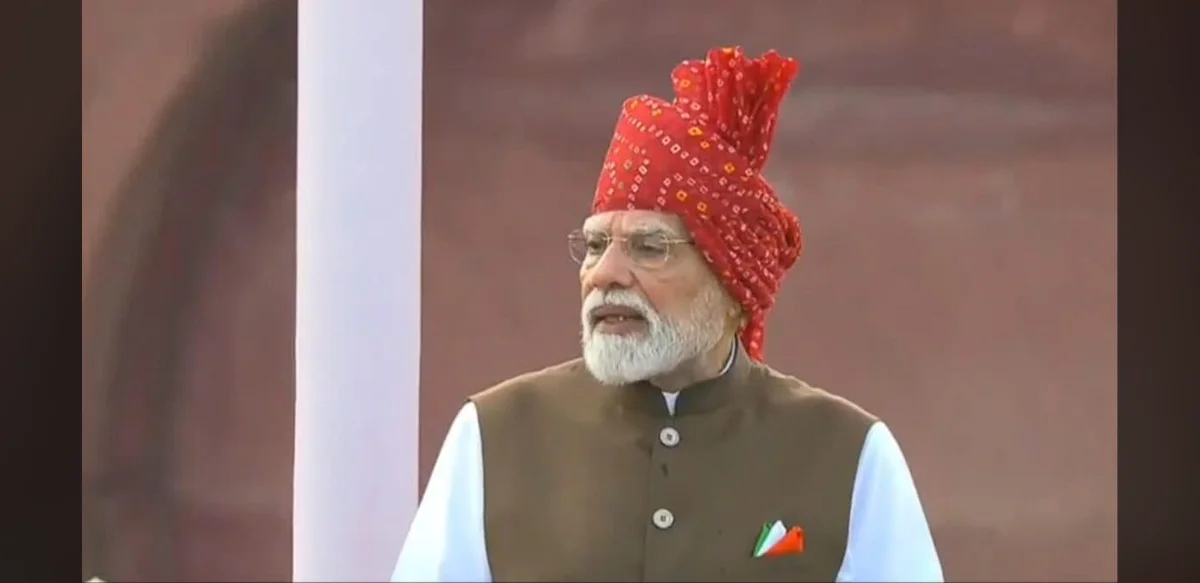
Prime Minister Narendra Modi’s address on Independence Day highlighted several key priorities expected to shape government actions over the coming months. The speech emphasized accelerating economic and structural reforms while focusing on greater inclusion for women in decision-making roles. It also stressed skill development in emerging technologies such as artificial intelligence for younger generations alongside strengthening domestic manufacturing and defense capabilities. These elements were presented as essential steps toward achieving the broader vision of a developed India.
The address began by reflecting on the nation’s progress since independence and the need to maintain momentum in critical sectors. Faster implementation of reforms was described as vital for sustaining growth and improving efficiency across industries. Observers noted that this focus aligns with ongoing efforts to streamline regulations and attract investment. The coming year is likely to see continued attention on policy measures that support these objectives without disrupting existing frameworks.
Women’s representation emerged as another central theme. The speech called for enhanced participation of women in various spheres including politics and the workforce. This builds on previous initiatives aimed at increasing opportunities and ensuring equitable access. Discussions following the address suggest that legislative and programmatic steps could be introduced to advance these goals. Such measures are viewed as contributing to social progress and economic empowerment on a wider scale.
Youth engagement received particular mention through references to artificial intelligence training and related educational programs. The government appears committed to equipping young people with tools necessary for future job markets. This approach is expected to foster innovation and address skill gaps in technology-driven fields. Plans outlined in the speech indicate potential expansion of training centers and partnerships with educational institutions to deliver targeted courses.
Manufacturing and defense sectors were highlighted as areas requiring sustained support. Emphasis was placed on boosting local production to reduce reliance on imports and create employment opportunities. In defense the focus remains on modernization and self-reliance through indigenous development. These priorities are anticipated to influence budget allocations and project timelines throughout the next fiscal period.
The overarching goal of Viksit Bharat was woven throughout the remarks as a unifying objective. This vision encompasses comprehensive development across economic social and infrastructural domains. The speech positioned the identified priorities as building blocks for long-term national advancement. Analysts suggest that coordinated implementation across ministries will be necessary to translate these signals into measurable outcomes.
Public reaction to the address has been mixed with some welcoming the stated intentions while others await concrete follow-up actions. Media coverage has centered on how these themes might translate into specific policies during the remainder of the year. Parliamentary sessions and upcoming state-level discussions are expected to provide further clarity on timelines and mechanisms.
Overall the Independence Day speech sets a directional tone for governance emphasizing reform inclusion technology and strategic sectors. Stakeholders across business academia and civil society will monitor developments closely to assess alignment with the outlined vision. The coming months will reveal the extent to which these priorities influence legislative and administrative decisions.

