


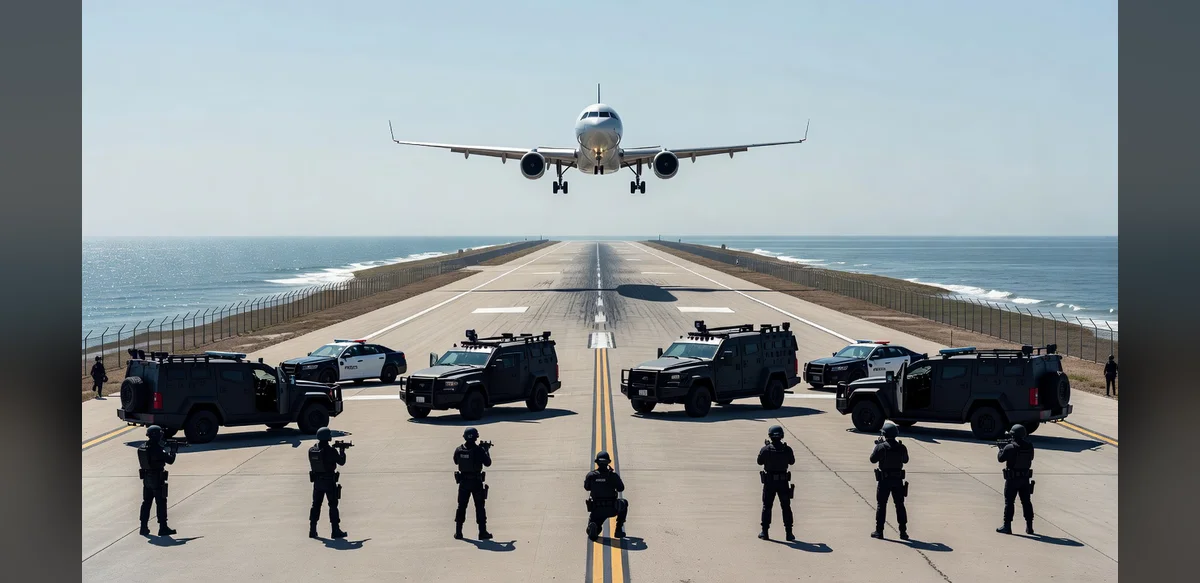
Authorities have implemented extensive security measures across parts of Ireland ahead of a scheduled visit by the President of the United States. The two-day itinerary covers the 12th and 13th of September, with operations centered on West Clare and the capital city of Dublin. Irish police and security services have coordinated closely with international counterparts to manage the event.
In West Clare, resources have been directed toward areas surrounding a major regional airport. Road checkpoints, temporary traffic diversions, and increased patrols form part of the plan. Local residents have been advised of possible delays and restricted access to certain routes during the period. Emergency services remain on standby to respond to any incidents while maintaining normal operations where feasible.
Dublin has seen parallel preparations. Key government buildings, transport hubs, and selected public spaces are under heightened surveillance. Additional officers have been deployed to manage crowds and ensure smooth movement of official motorcades. Coordination between national and local agencies aims to minimize disruption to daily life for residents and visitors.
The visit occurs against a backdrop of longstanding diplomatic ties between Ireland and the United States. Discussions are expected to touch on trade, security cooperation, and shared interests in international affairs. Both sides have emphasized the importance of maintaining open channels of communication.
Logistical arrangements include advance teams assessing venues and routes. Airspace restrictions may apply in designated zones during arrival and departure windows. Maritime patrols have also been increased along the western coastline to support overall safety protocols.
Community liaison officers have been active in both regions, providing updates through local channels. Businesses near affected areas have received guidance on operating hours and access. Public transport schedules are being monitored for potential adjustments, though operators expect most services to run as normal.
Weather conditions are being factored into contingency plans. Clear forecasts would support outdoor elements of the schedule, while any adverse developments could prompt indoor alternatives. Medical and support teams are positioned at strategic points.
Past visits by senior United States officials have followed similar patterns of preparation. Lessons from those events have informed current arrangements, with emphasis on proportionality and respect for local communities. Officials stress that the measures are temporary and will conclude once the itinerary ends.
Public information campaigns encourage residents to plan journeys in advance and report any concerns through established hotlines. Media access is being managed through accredited channels to balance transparency with operational security.
Overall, the focus remains on delivering a secure environment that allows diplomatic engagements to proceed without incident. Irish authorities continue to review developments in real time and adjust resources accordingly. The operation reflects standard practice for high-profile international travel.
Further details are expected to be released as the dates approach. Both regions anticipate a return to routine activities shortly after the conclusion of the program. Coordination efforts underscore the collaborative nature of such events between host nations and visiting delegations.


