

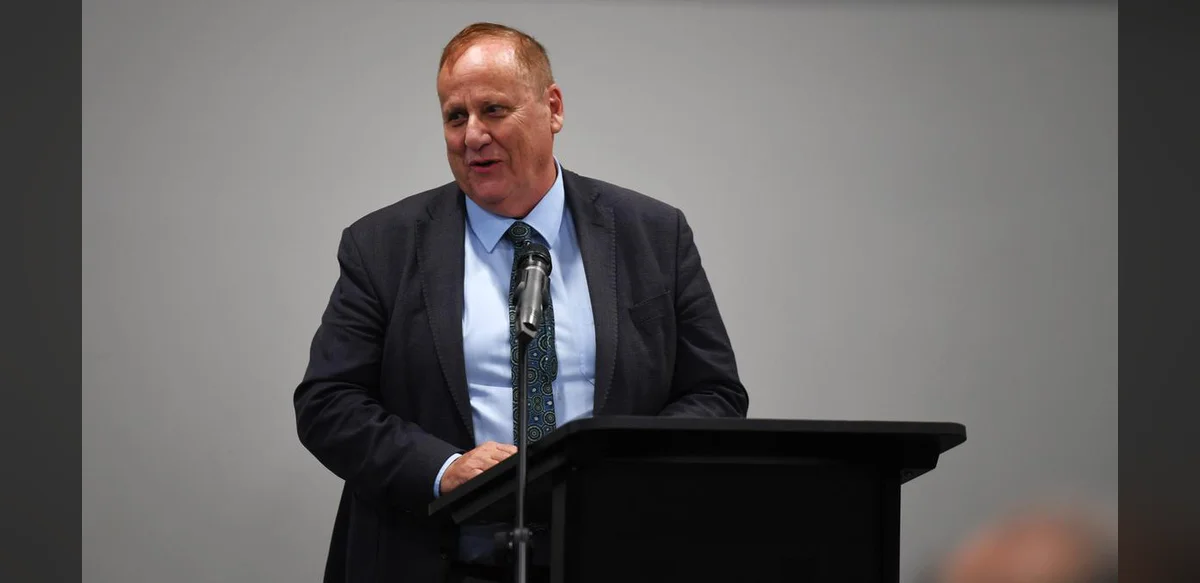
A member of the Western Australian parliament has publicly questioned the approach taken by a federal representative regarding the management of online interactions. The state lawmaker from the Bunbury area expressed concerns that a colleague representing the Forrest electorate has not sufficiently addressed problematic remarks appearing beneath posts on digital platforms. This development highlights ongoing discussions about responsibility in digital spaces for elected officials. The criticism centers on the perceived lack of intervention when negative or abusive language emerges in public comment sections associated with the federal member’s accounts. Observers note that such exchanges can influence public perception of political figures and their engagement strategies. The state representative emphasized the importance of maintaining respectful discourse, particularly when individuals in positions of authority maintain active presences on widely used networks. No specific examples of the comments in question were detailed in the initial statement, leaving room for further clarification as the matter develops. Political analysts suggest this type of exchange reflects broader challenges faced by representatives balancing transparency with the need to curate appropriate online environments. The federal member has not yet issued a detailed response to the remarks made by the state colleague. Community members following the situation have shared varied opinions on the expectations placed upon politicians in the digital age. Some argue for greater oversight of comment sections to prevent escalation, while others stress the value of open dialogue even when opinions differ sharply. The incident underscores the evolving nature of political communication, where traditional roles intersect with modern tools for public outreach. As the story unfolds, additional context may emerge regarding the timeline of events and any prior communications between the two representatives. Local media outlets continue to monitor developments, providing updates as statements become available from involved parties. This situation serves as a reminder of the scrutiny applied to public figures and the standards expected in their professional conduct across all platforms. Further statements or actions could shape how similar issues are handled in the future by other elected officials. The focus remains on fostering constructive exchanges that align with the responsibilities of public service. In the absence of additional details, the core issue revolves around accountability for content moderation in spaces controlled or influenced by political representatives. Residents in the affected electorates may watch closely to see how the dialogue progresses and whether it leads to changes in practice. Overall, the exchange brings attention to the intersection of governance, technology, and interpersonal standards in contemporary Australian politics.


