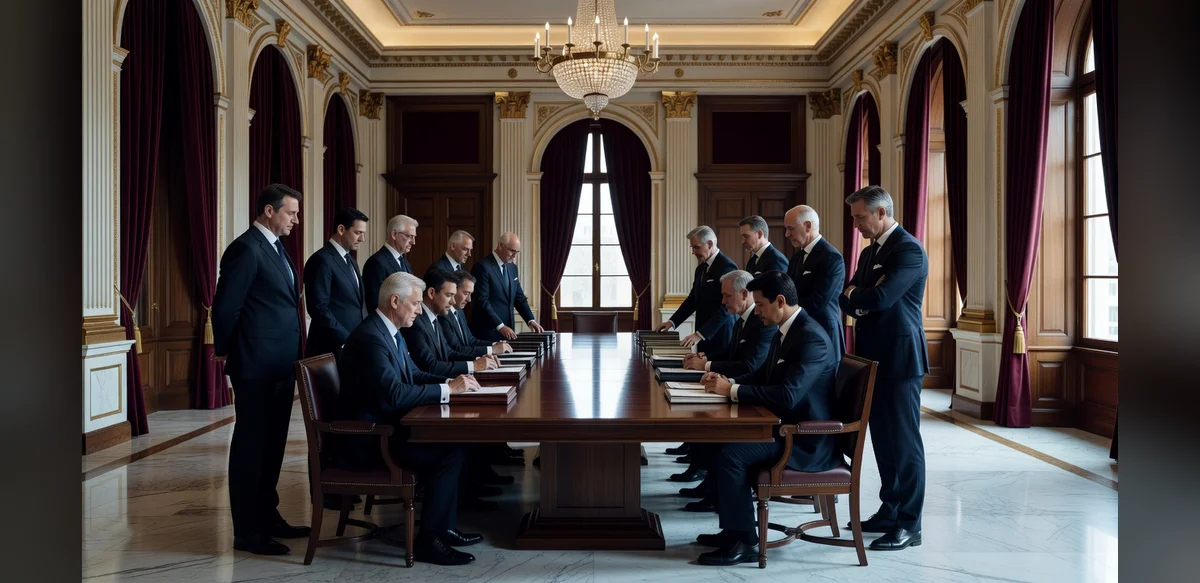
The United Kingdom has confirmed a series of new ministerial appointments in the wake of a leadership change within the governing Labour Party. Andy Burnham, aged 56, has taken over as Prime Minister from Keir Starmer. The transition marks a significant moment in British politics and has prompted the usual reshuffle of government positions to align with the new leadership. Official statements from Downing Street indicate that the appointments aim to ensure continuity in key policy areas while introducing fresh perspectives in several departments. The process follows established constitutional procedures for such changes, with the new Prime Minister exercising the authority to select ministers who will support the administration’s agenda. Observers note that these adjustments typically occur swiftly after a change at the top to maintain effective governance. The United Kingdom’s parliamentary system allows the Prime Minister considerable latitude in forming the cabinet and assigning roles across various ministries. In this instance, the focus appears to be on stability in areas such as economic management, public services, and international relations. Government sources emphasize that all new appointees bring extensive experience from previous roles in Parliament or related fields. The announcement has been received with measured responses from political analysts, who highlight the importance of a smooth handover to avoid disruptions in ongoing legislative work. Historical precedents show that similar transitions in the UK have often led to incremental rather than radical shifts in personnel, preserving institutional knowledge while allowing for necessary adaptations. Public reaction so far has remained largely neutral, with attention centered on the practical implications for daily administration rather than dramatic political upheaval. The new Prime Minister is expected to outline broader priorities in upcoming parliamentary sessions, where the ministerial team will play a central role in advancing legislative proposals. Media coverage has stressed the routine nature of these appointments within the framework of British democracy, underscoring the country’s long-standing traditions of orderly power transitions. As the government settles into its new configuration, attention will likely turn to how the cabinet addresses pressing national issues including fiscal policy, healthcare delivery, and climate commitments. The appointments reflect a balance between retaining seasoned figures and incorporating individuals who may offer renewed energy to specific portfolios. Overall, the developments represent a standard chapter in the ongoing evolution of the United Kingdom’s executive branch, conducted in accordance with longstanding norms and expectations. Further details on individual roles are anticipated in the coming days as the administration finalizes its structure and prepares for the challenges ahead. This measured approach aligns with the emphasis on professionalism and continuity that characterizes British public life during periods of leadership renewal.