


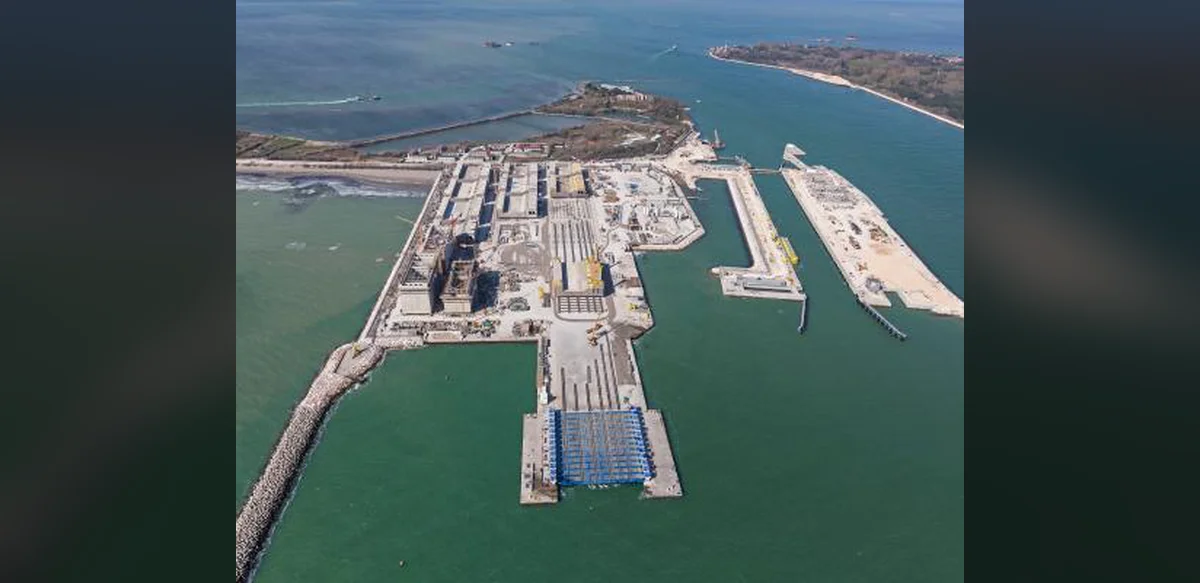
The Arsenale, once the heart of Venice’s naval power for centuries, now hosts the control center for the city’s Mose flood defense system. This network of barriers, installed at three lagoon entrances, has prevented flooding 154 times since its 2020 activation. Named for an experimental electromechanical module and evoking the biblical Moses, the system features large barriers that rise from the seabed to block high tides from the Adriatic Sea.
However, only five years into operation, local officials are exploring replacements. Climate-driven sea level rise requires more frequent barrier activations, harming the lagoon’s ecosystem. Experts predict an additional meter of rise by century’s end, which could force closures up to 200 times annually, effectively sealing the lagoon permanently.
Andrea Rinaldo, leader of the scientific committee for the new Lagoon Authority overseeing Mose, warns that constant closures would disrupt natural water and sediment exchanges, turning the lagoon into a stagnant, polluted body of water. This would promote excessive algae growth, leading to oxygen depletion and the death of marine life.
Rinaldo emphasizes that Mose was designed for future threats, but those have arrived sooner than anticipated. He calls for urgent planning, noting that without action, both the lagoon and city could be lost within a timeframe similar to Mose’s 50-year development period.
The project originated after the devastating 1966 flood, with concepts developed in the 1970s and prototypes in the 1980s. Delays stemmed from bureaucratic hurdles, environmental worries, and a 2014 corruption scandal that exposed bribery and inflated costs.
Initially met with skepticism over expenses and ecological effects, Mose has proven effective in keeping Venice dry. Its modern control room monitors weather data around the clock, with a backup facility ensuring continuity.
Technical director Giovanni Zarotti notes that barriers are raised three hours before predicted flood levels, with a 10cm error margin. Each activation costs over €200,000 and disrupts port traffic. During this year’s carnival, 26 raisings in three weeks exceeded €5 million in expenses. Efforts are underway to minimize impacts by staggering inlet closures.

