


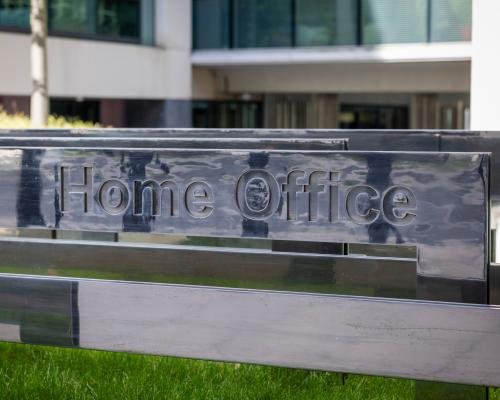
The UK government plans to revoke residency rights granted after Brexit to EU nationals who fail to demonstrate ongoing residence in the country. This action complies with the 2020 Brexit withdrawal deal, but the reliance on travel records to assess absences has sparked worries, especially after a recent incident where nearly 20,000 parents lost child benefit entitlements due to faulty border information from the Home Office.
According to the Home Office, the effort targets individuals with pre-settled status, which was issued to those residing in the UK for under five years prior to Brexit. The process will begin with cases where people appear to have departed more than five years ago, incorporating protections such as evaluating justifications for extended time away.
Officials state that this measure safeguards public resources and curbs improper use of the immigration framework to enable unauthorized entry. A government statement noted that revocations would occur only when deemed appropriate, in accordance with the withdrawal agreement.
Recent figures from the Home Office, released in 2024, indicate that 6.2 million individuals sought residency status, including 2 million with pre-settled status and 1.7 million who submitted applications past the June 30, 2021 cutoff.
Experts at the University of Oxford’s Migration Observatory estimate that, based on census and other records, between 3 million and 4 million of these applicants might still be in the UK, though exact numbers are hard to confirm.
Per the regulations, those holding settled status may remain outside the UK for up to five consecutive years without losing their rights under the 2020 agreement. Holders of pre-settled status are allowed absences of up to six months per year.
The Independent Monitoring Authority for the Citizens’ Rights Agreements, an official oversight group, has voiced reservations to the Home Office regarding the execution of these revocations. It highlighted challenges in predicting how officials will handle case-by-case assessments.
The advocacy organization the3million, focused on EU citizens’ rights in the UK, has raised alarms about potentially flawed judgments relying on travel data. In correspondence with the Home Office, it referenced a case where an applicant seeking to convert pre-settled to settled status faced scrutiny over evidently incorrect travel records.
The group pointed out that such data often lists booked trips that were never completed, and the Home Office’s communication failed to address these errors, even when they were obvious, such as duplicate outbound trips without returns or same-day journeys to conflicting locations.
Miranda Biddle, head of the Independent Monitoring Authority, acknowledged the potential anxiety and instability this could create for those impacted. She mentioned ongoing discussions with the Home Office to ensure strong protections and reliable procedures, with the authority pledging to oversee the rollout closely.
The National Audit Office is examining the tax authority’s dependence on Home Office data, despite known inaccuracies in travel logs. A joint probe by the Guardian and the Detail revealed that these records sometimes omitted return trips for travelers and included passenger lists ignoring no-shows, common on budget airlines with rigid cancellation policies.
The Home Office was contacted for further response.

