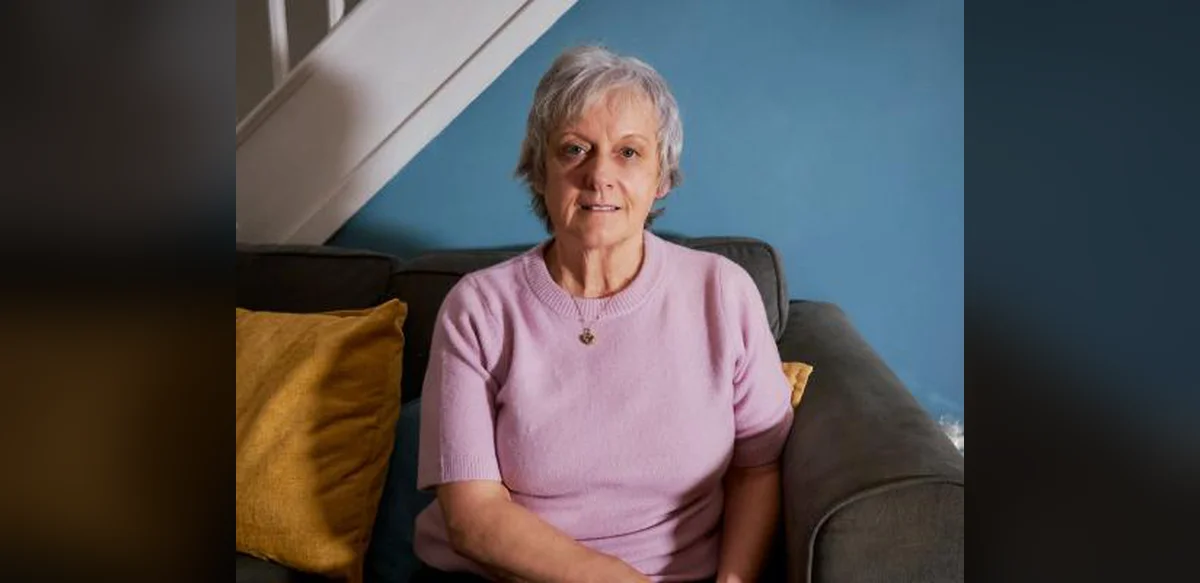
Julie Ford experiences ongoing pain whenever she raises her arms for daily tasks like dressing or hanging laundry, a constant echo of her challenging ordeal. In April 2021, she entered the hospital alone, masked, for surgery to remove her right breast and lymph nodes to halt the spread of breast cancer. That same day, still recovering from anesthesia, in discomfort and with drainage tubes attached, she was assisted by nurses to a friend’s car and sent home to manage on her own. Although her breast was excised, reconstruction was not performed. Typically, these operations occur together, but the intricate procedure, which involves using abdominal tissue and requires an extensive team for about eight hours, was deemed non-essential and halted by most NHS trusts amid the COVID-19 crisis. Similar to many women who had urgent mastectomies without reconstruction in 2020 and 2021, Julie was promised the surgery once restrictions eased. Now 62, she remains in limbo five years on. A nationwide lack of specialized surgeons and operating room availability, combined with the focus on new cancer diagnoses, has left survivors like her feeling overlooked. They endure persistent physical unease and emotional strain while awaiting the delayed procedures. Julie, a support worker in child social care from Sheffield, received a temporary implant during her mastectomy, but subsequent radiotherapy caused it to adhere and deform, leading to sharp pain with movement. After a year of recovery, she joined the reconstruction queue in 2022. However, those who had surgeries during lockdowns are often deprioritized. Individuals with active cancer receive immediate combined procedures, and available slots go to those at genetic risk for the disease. This leaves many survivors at the end of the line, according to Simon Wood, a consultant plastic surgeon in the NHS and incoming president of the British Association of Plastic, Reconstructive and Aesthetic Surgeons. He notes regional disparities, with some trusts, like his at Imperial College Healthcare NHS Trust, limiting waits to one year, while others have made minimal progress since the pandemic. A 2024 study identified at least 2,200 breast cancer survivors or high-risk individuals awaiting surgery in 40 English NHS centers, with an average delay of 2.5 years. Wood suggests that without motivation, hospitals may favor shorter, simpler surgeries to reduce overall backlogs rather than allocating resources to complex reconstructions. Alison Wilson, 63, from Stockport in Greater Manchester, grapples with daily sorrow over her unreconstructed breast. She underwent a mastectomy in April 2020 after her cancer diagnosis and anticipates surgery in September this year. In the interim, she uses a prosthetic insert, which she finds uncomfortable, especially in warm conditions. Her role in airport security often triggers scanner alerts due to the device.