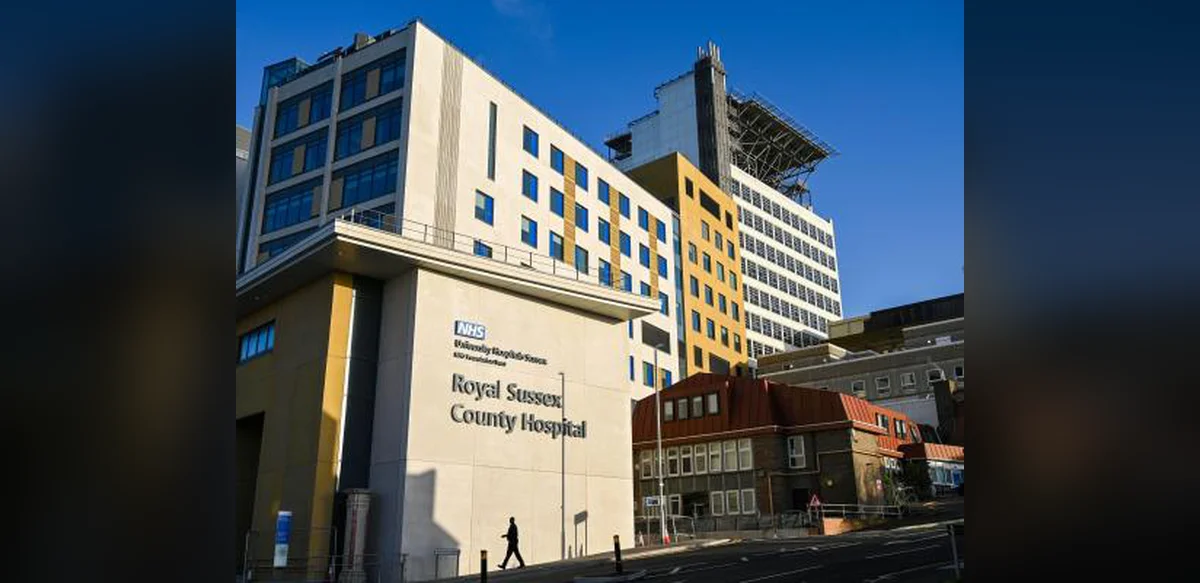
Bereaved parents have cautioned Health Secretary Wes Streeting that an investigation into avoidable infant deaths in Sussex may not uncover essential insights because it has deliberately left out numerous families. Streeting initiated a probe into nine baby fatalities at University Hospitals Sussex NHS Foundation Trust amid widespread maternity care issues in England. However, affected families are urging him to broaden the inquiry to cover over 60 infants who perished between 2019 and 2023 and could have been saved with improved treatment. Dr. Marija Pantelic, a public health specialist whose child Sasha died under the trust’s care in January 2022, described the review’s limited focus and voluntary participation as risky and possibly damaging, since it relies on input from a predominantly white and British group of parents. Pantelic, whose case is part of the review, plans to address these issues with Streeting during a meeting with grieving families on Wednesday. The parents seek a wider probe overseen by Donna Ockenden, the experienced midwife heading similar investigations at NHS trusts in Nottingham and Leeds. They also advocate for the Sussex review to proactively contact impacted families, rather than limiting it to the nine instances where parents have spoken out. As an associate professor focused on health disparities, Pantelic noted that the review’s dependence on experiences from mostly white and British families should concern Streeting. ‘When you only gather perspectives from specific groups, you only detect certain issues,’ she explained. ‘For example, racism in care might go unnoticed if only white families contribute. Overlooking true causes of harm leads to incomplete or even counterproductive remedies.’ Official data indicates that Black women in the UK face more than double the risk of dying during childbirth compared to white women, with Asian women also at elevated risk. Pantelic argued that the review’s opt-in approach would inherently sideline those least equipped to engage with the system and most vulnerable to harm. She added: ‘This creates a hazardous bias. The most at-risk individuals become the least represented in the data, leading to underestimation of problems and misconceptions about their origins. Incorrect diagnoses mean ineffective fixes.’ Earlier this year, University Hospitals Sussex reported hiring 40 additional midwives, resolving the staffing shortages present during several of the avoidable deaths. Families worry that the trust’s emphasis on staffing overlooks deeper systemic problems, and a restricted review could fail to reveal them. Pantelic stated: ‘Without accurately pinpointing the reasons for preventable deaths, any suggested fixes might fall short. The participants in a review influence what problems are identified and perceived as root causes.’ A spokesperson for the Department of Health and Social Care commented: ‘Families have suffered intolerable lapses in maternity services, and we are dedicated to making sure the review process does not increase their distress. Their input and preferences will guide a review they can trust, grounded in facts and customized for Sussex. We will soon provide updates to families to confirm the review delivers the explanations and responsibility they seek.’