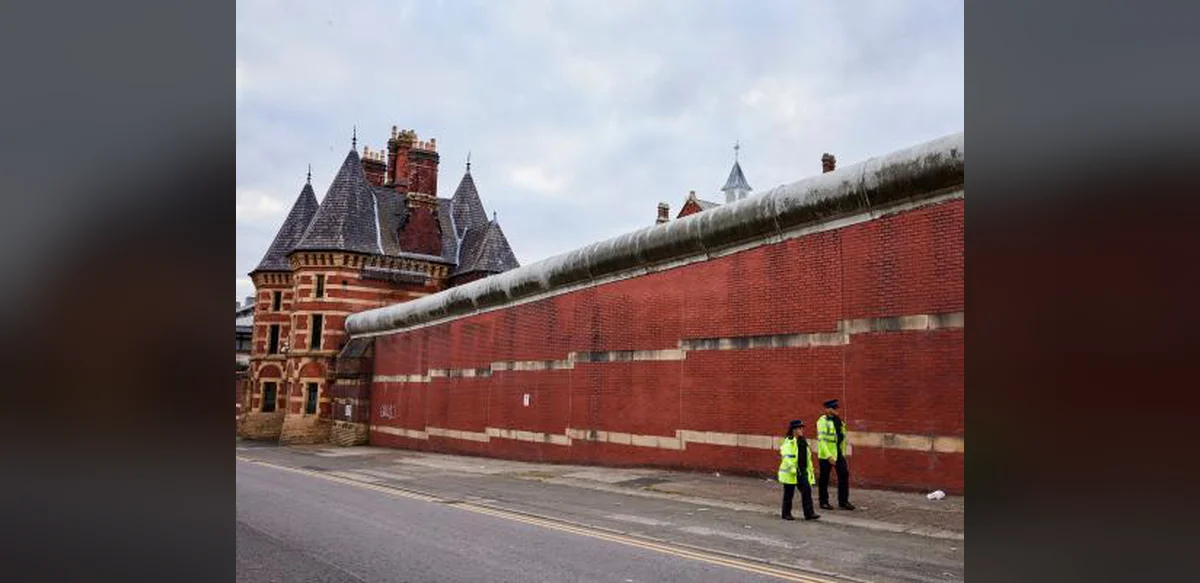
A prison oversight body has determined that authorities have achieved minimal advancement in addressing a directive to block drones from smuggling drugs into one of England’s most troubled facilities. Charlie Taylor, the chief prisons inspector for England and Wales, stated that HMP Manchester continues to face instability due to unrepaired windows and insufficient barriers against illicit shipments to criminal groups. In October 2024, Taylor issued an emergency alert requiring the Ministry of Justice to act within 28 days to curb rising drug consumption and aggression at the maximum-security site. The findings, published in a Tuesday report, have raised alarms among reform advocates about the government’s inability to prevent narcotics infiltration across the 123 prisons in England and Wales. Officials have allocated £10 million system-wide for countermeasures against drones. Andrea Coomber, head of the Howard League, described it as evidence of severe strain on the correctional network, noting that a facility placed under enhanced oversight 15 months ago still cannot safeguard its residents and employees. Enver Solomon, leader of the justice organization Nacro, questioned how offender rehabilitation can succeed amid widespread substance abuse, assaults, and persistent understaffing that limits productive engagements. He highlighted that with almost half the inmates using drugs and many confined to cells for up to 22 hours daily, recovery efforts are undermined. Taylor explained that the urgent protocol was activated in 2024 upon discovering the category A and B institution, holding around 550 male prisoners, in dire condition. He cited a mix of narcotics, conflicts, an underprepared and disengaged workforce, and inadequate daily routines as reasons for the facility’s core deficiencies. A recent review noted some advancements but rated the prison, once called Strangeways, as substandard in security and constructive programs. Gains were tenuous, hampered by slow implementation of reinforced windows and screens to deter drone-based drug drops. Taylor noted that drones persisted in supplying substantial drug volumes, fueling elevated conflict and disorder. He criticized prison management and overly complex approval procedures for replacing only a few windows, allowing organized crime to thrive unchecked and endangering everyone inside. Random testing showed unchanged positive drug rates, while self-inflicted injuries kept increasing. Four individuals had died by suicide since the prior assessment, with self-harm levels far above those in comparable sites. The report found the institution inadequate as a rehabilitation center, with personnel deficits causing program cancellations and 44% of residents without jobs. Sharp reductions exceeding 50% in education funding led to fewer instructors, earning an ‘inadequate’ evaluation from Ofsted. A Ministry of Justice representative commented: ‘This facility is under significant strain following the inheritance of a correctional system in deep crisis by the current administration. We acted swiftly to avert total breakdown and appreciate the acknowledgment of improved management at HMP Manchester, while pursuing immediate steps to counter drones, enhance protections, and reduce drug influxes that drive internal aggression.’