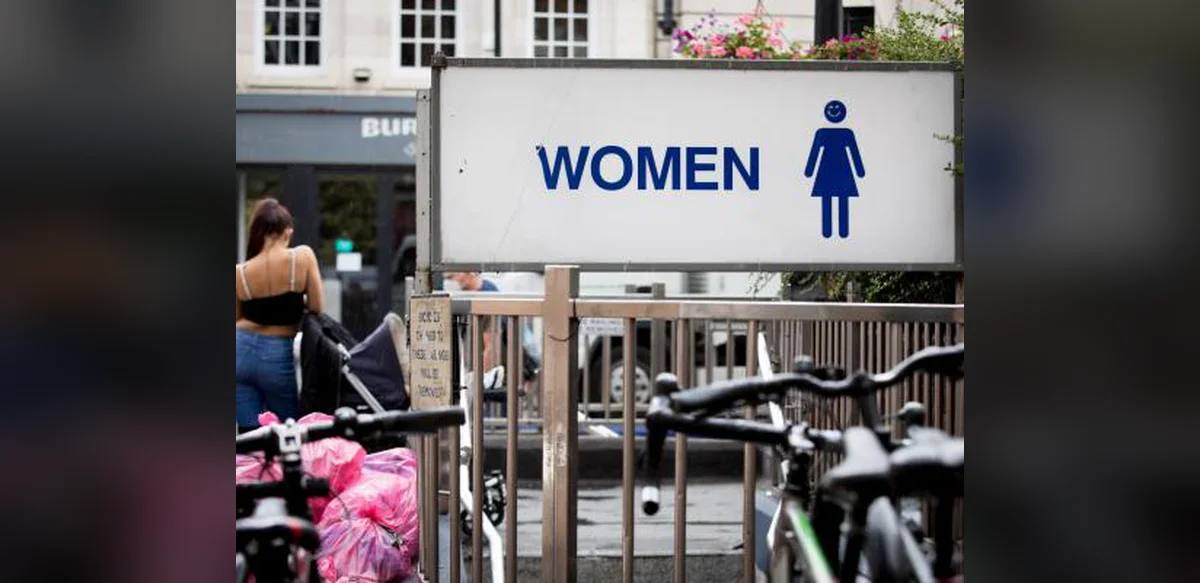
A recent report highlights a 14% reduction in public restrooms across England over the past ten years, which is negatively affecting community well-being and resulting in large areas without adequate facilities, often called ‘toilet deserts.’ The Royal Society for Public Health’s study identified a major gap in availability, with one public restroom serving about 15,481 residents in England. This figure is much higher compared to Scotland’s 8,500 people per facility and Wales’s 6,748. The findings come from freedom of information requests sent to 221 out of 309 local councils in England, showing a decline since 2016. The organization cautions that insufficient restrooms lead to more instances of public urination, fostering unsanitary settings. It also notes potential harm to local economies, as some individuals limit outings due to the lack of options. William Roberts, the society’s chief executive, emphasized that everyone requires access to these amenities, and the current ratio of one per 15,000 is inadequate. Without intervention, the situation will worsen as more sites close. For certain groups, availability determines if they venture outside, while others reduce liquid consumption to avoid the issue. Broader impacts include degraded public areas due to hygiene problems. He urged for improvements, including better funding for local governments to maintain these essential services. The society advocates for new requirements on strategic bodies to guarantee enough restrooms, supported by national funding. It also proposes rules mandating developers to incorporate public facilities in projects with commercial spaces. At present, local authorities determine needs in their regions. The Local Government Association noted that shortages particularly impact at-risk populations, such as seniors, those with disabilities or health issues, young children, and homeless individuals. A representative explained that budget constraints have forced reevaluations of services. Maintaining a single restroom can cost up to £25,000 annually, influenced by user behavior. Damage from vandalism and misuse adds millions in expenses, requiring more cleaning and security, ultimately burdening taxpayers. Many councils collaborate with local businesses for shared access schemes to fill gaps. Despite these measures, closures in commercial areas have created deficiencies. A spokesperson from the Ministry of Housing, Communities and Local Government stated that over £78 billion has been allocated to support local services, including restrooms, allowing councils to prioritize spending as they see fit.