


In recent days, social media platforms have been filled with videos from residents in Gurgaon expressing frustration over the sudden shortage of domestic workers. Complaints include difficulties in booking services through apps and a lack of available help for household tasks.
Investigations reveal that many of these departing workers are originally from West Bengal and are returning to vote in the state’s assembly elections, with the first phase scheduled for April 24, 2026.
Interviews with several workers and their employers indicate that a significant number are Bengali speakers, including some who may originate from Bangladesh based on accents. A notable portion identify as Muslim.
Workers reported receiving calls from local representatives of the Trinamool Congress (TMC) urging them to return and vote. Some claimed they were warned that failure to participate could result in loss of property or demolition of homes. Others mentioned fears of being deported to Bangladesh or facing violence if the Bharatiya Janata Party (BJP) gains power.
One worker expressed confusion, stating they are Indian Bengalis, not Bangladeshis, but felt intimidated by the messages. Another highlighted promises from TMC to prevent the National Register of Citizens (NRC) if they retain control, contrasting with warnings of harm under BJP rule.
A smaller group of workers offered a different perspective, alleging the calls were intended to scare them into supporting BJP instead. They criticized TMC for failing to provide basic services like water and employment, leading them to leave West Bengal initially.
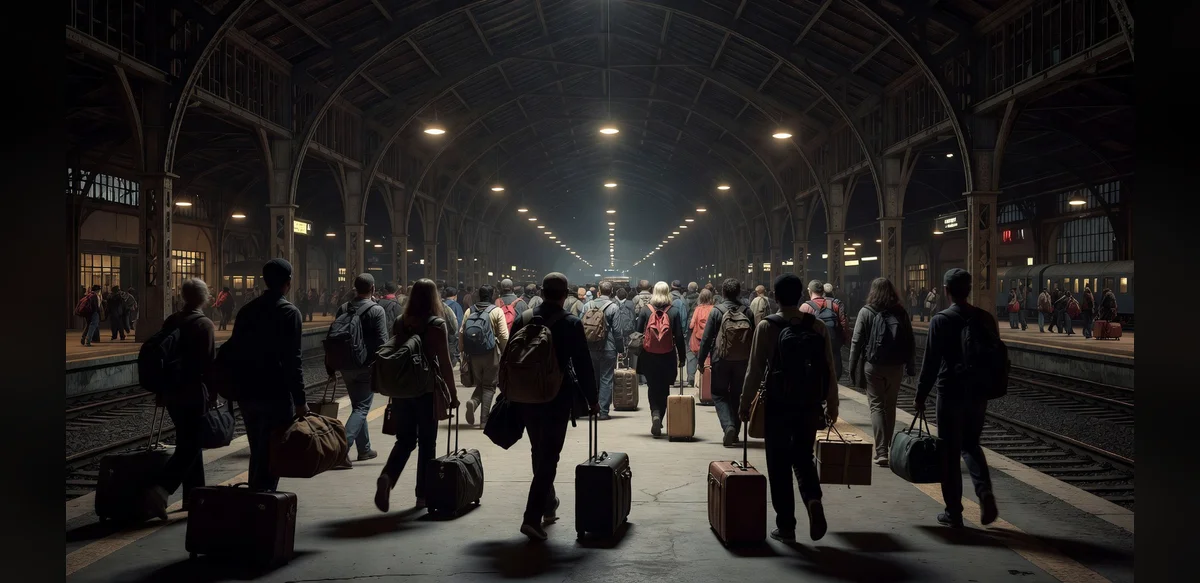
Observations at railway stations in Kolkata, such as Sealdah and Howrah, confirmed large arrivals of individuals from Delhi and Gurgaon regions. Many declined on-record interviews, citing fears of reprisals.
Hindu domestic workers from Bengal are also returning, though in fewer numbers. They denied receiving direct calls from any political group but expressed a sense of urgency to vote, motivated by concerns over demographic changes and past incidents of violence in areas like Sandeshkhali. They aimed to counter what they perceived as organized voting efforts by others.
These accounts suggest underlying tensions and strategic efforts in the lead-up to the elections, reflecting heightened political stakes in West Bengal.

