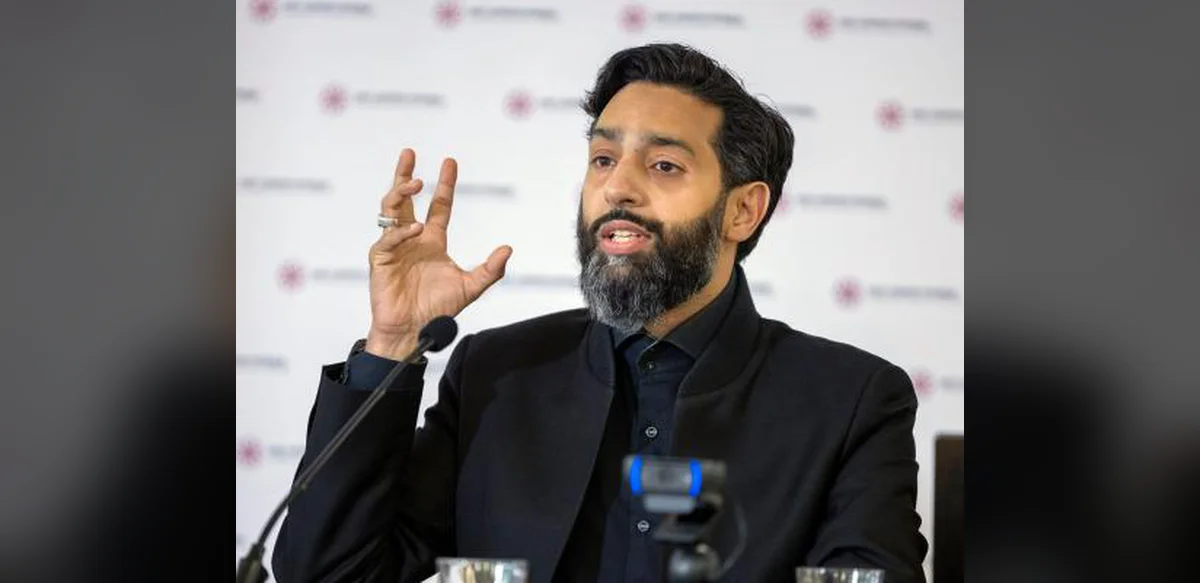
The election of Zohran Mamdani as New York’s inaugural Muslim mayor occurred far from the United Kingdom, yet it captured close attention from the Muslim Council of Britain (MCB). Dr. Wajid Akhter, who became the organization’s secretary general last year, explained that his team analyzed Mamdani’s approach. Akhter, a family physician, highlighted the campaign’s method of linking global issues, such as Gaza, to local concerns like housing costs. During a conversation in an east London cafe this month, he emphasized the importance of robust community mobilization in the Democrat’s success. Akhter commended the integration of online and in-person efforts, noting that relying solely on one method limits reach, but combining them creates a powerful strategy. The MCB is adopting a similar tactic through its new initiative, Hungry for Change, which encourages voter registration and local involvement among Muslims. The group has trained 200 advocates in over 30 regions ahead of local polls, reporting thousands of new registrations, including 3,377 referrals to the official voting site. Akhter stated the effort will grow nationally before the next general election while staying politically neutral. With around 2,000 mosques in the UK and about 500 connected to the MCB, the organization is updating its outreach via videos, online platforms, and audio programs. This represents a significant change for the MCB, which has faced challenges in government relations for over a decade. The issues began in 2009 after a former deputy signed a statement supporting attacks on British forces aiding efforts to block arms to Hamas in Gaza. The Labour government at the time cut ties unless he resigned, which he did, allowing brief reconnection before the 2010 coalition reinstated the boycott. This continued under subsequent Conservative administrations until 2024. The exclusion was strict; in February 2024, amid the Gaza conflict, officials threatened to defund the Inter Faith Network for including an MCB-linked member on its board. The network’s refusal led to lost funding, drawing criticism from religious figures for undermining interfaith efforts during a critical period. Although Labour interacted with the MCB while in opposition, it upheld the non-engagement stance after taking power, causing surprise and frustration. Akhter remarked that engagement would come from necessity, not sympathy or duty. He described redirecting the MCB’s focus from seeking official approval to enhancing conditions for British Muslims and society at large. Akhter proposed transforming mosques into multifaceted centers providing services beyond worship, with initial programs delivering mental health support and emergency medical training. He advocated shifting charitable giving toward UK issues like violence prevention, affordable homes, and economic challenges, rather than primarily abroad. Drawing parallels to historical movements such as African American churches in civil rights efforts and anti-slavery campaigns, Akhter noted their persistence despite adversity. He stressed the need for unity amid rising anti-Muslim sentiment from certain political groups. As a history enthusiast, he urged British Muslims to emulate the nation’s resolve against Nazi threats, declaring this era as a defining time for the community.