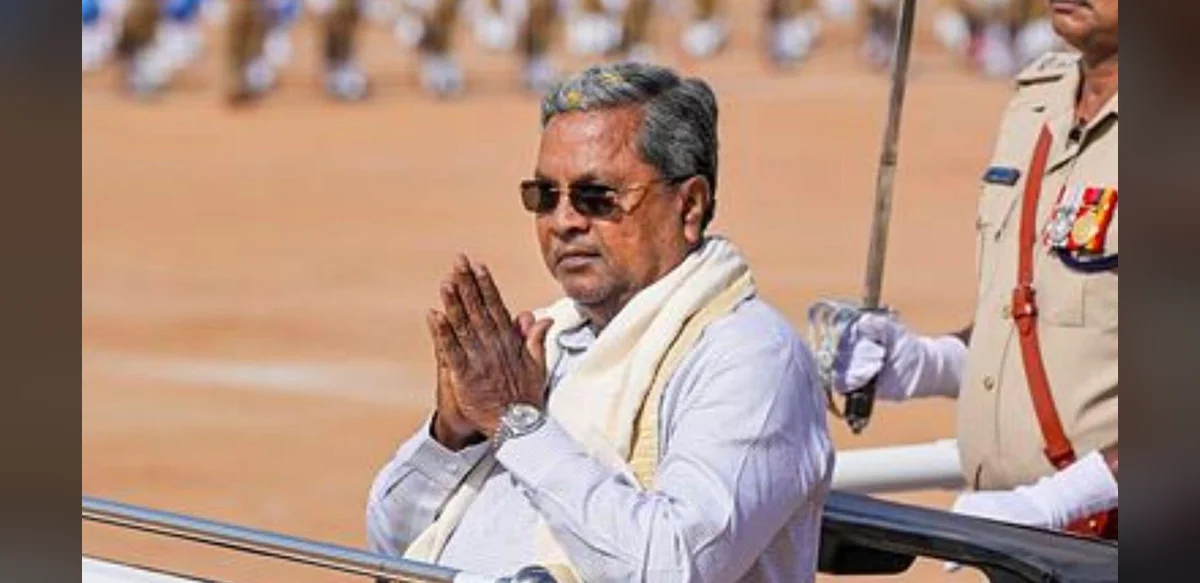
Just before stepping down as Karnataka Chief Minister on June 3 to allow D K Shivakumar to take over, Congress leader Siddaramaiah, a prominent OBC figure, sanctioned the building of community halls and hostels for 150 OBC groups in the state at a cost of Rs 71.85 crore. Most of these projects target his own Kuruba OBC community, which forms the largest share of backward classes at 12 percent of the state’s 42 percent OBC population. He described the move as an initial step before grants are released. Together with his acceptance of a caste survey report from the Karnataka State Backward Classes Commission shortly before resigning, the decisions show Siddaramaiah’s plan to keep supporting OBC interests, a traditional Congress support base in the state. The Backward Classes Welfare Department reviewed requests from various groups and gave preliminary approval for the facilities, Siddaramaiah stated. He noted this was not the final list and that more applications from backward castes would be considered soon, with the Kuruba community receiving more grants due to higher application numbers. Preliminary orders also cover facilities for the Madiwala, Lingayat, Vokkaliga, Besta, Balija, Golla, Jetti, Kumbara, Arasu, Helava, Savita Samaj, Uppara, Ganiga, Kuruhina Shetty, Halakki, and Reddy communities. The Congress high command’s choice to replace the 77-year-old Siddaramaiah with the 64-year-old Shivakumar, a Vokkaliga leader, is unlikely to cause immediate effects but could influence the party’s longer-term strategy. Siddaramaiah draws support from parts of the Kuruba group and Muslims, communities that hold sway in about 80 of Karnataka’s 224 assembly seats. Associates say the decision surprised Siddaramaiah, who expected the party to avoid replacing him with a leader from a dominant community. The leadership softened the change by giving Siddaramaiah’s son Yathindra, 45, a cabinet post in the new ministry. Another Kuruba minister, Byrathi Suresh, 53, also joined the 14-member cabinet, with one more Kuruba face expected when the ministry expands to 34 members. Siddaramaiah, who built his image as a leader of OBC, Dalit and minority groups over many years, rejected an offer to enter national politics via Rajya Sabha nomination, indicating his wish to stay influential in state affairs. A party source noted he cannot remain out of active politics and may act as a defender of OBC causes, potentially creating tension if sidelined. During his terms as chief minister, he faced pressure on social justice matters such as the caste survey, which he started in 2013-2018, amid opposition from dominant groups and party leaders. A new report was given to him days after he was asked to step aside on May 26.