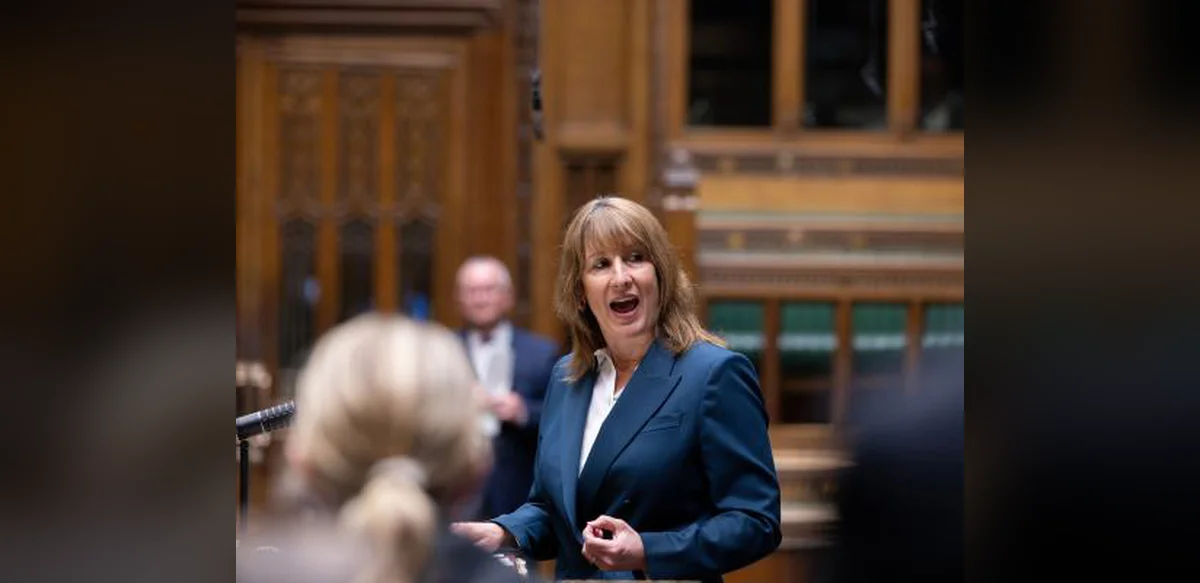
Rachel Reeves, the UK Chancellor, has been sharply criticizing her political rivals amid the escalating conflict in Iran. She described Donald Trump’s actions as misguided, suggested the shadow chancellor Mel Stride faces potential dismissal, and called the Liberal Democrat’s fuel management proposal economically unsound. Reeves appears to take satisfaction in these confrontations, according to her team, who describe her indignation as strategic. The ongoing war’s effects could linger for months, and she aims to emphasize that the UK neither initiated nor participated in the conflict, as she stated in parliament. Additionally, she stresses that the British economy was improving prior to the outbreak of hostilities. A Treasury insider noted the importance of establishing that positive economic momentum existed before the war, to avoid losing ground in public perception. While her strong responses serve a political aim, they might also stem from irritation after a challenging 18 months, with hopes for stability in 2026. Some difficulties were internal, such as a flawed decision to reduce winter fuel payments and mixed signals about possible income tax increases in the autumn budget. External factors included Trump’s trade tariffs and now the Middle East war, which has again altered the UK’s economic outlook. Politicians must adapt to circumstances, and previous Labour chancellors like Denis Healey and Alistair Darling faced major crises, including IMF bailouts and bank rescues. However, the timing of this latest disruption from Trump’s Gulf actions is especially inopportune. An associate mentioned that Reeves felt assured about her strategy entering the year and is openly frustrated. Recent official figures bolster her case for recovery, indicating 0.5% growth in February and declining unemployment. Following two substantial tax increases, efforts to stabilize public finances were progressing, with borrowing reduced by £20 billion in the year ending March. Ruth Curtice from the Resolution Foundation highlighted positive trends in growth, unemployment, inflation, and finances. She noted that pre-budget speculation had created uncertainty, but stability could encourage investment. Much of this hesitation resulted from the chancellor’s choices, like limited fiscal flexibility that amplified the Office for Budget Responsibility’s role. Mel Stride, her Conservative counterpart, argued that Reeves’ decisions, not global events, have vulnerable the economy at a critical time. Still, the impact of the tax hikes was diminishing, revenues were increasing, and with inflation nearing 2%, the Bank of England anticipated further interest rate cuts to ease borrowing costs. Now, with oil at $100 per barrel for over a month, rates may rise soon. Curtice observed that this shock arrives just as the economy was recovering from prior issues, particularly ill-timed amid easing stagflation. Improvements in bond market confidence, lowering government borrowing costs, have reversed since the war began. Up to two-thirds of the £24 billion fiscal buffer from last autumn’s tax rises could vanish due to slower growth and higher costs if the situation persists. Deutsche Bank’s chief UK economist Sanjay Raja said the Office for Budget Responsibility’s 1.1% growth forecast from the spring statement is now outdated, with risks of reduced growth, weaker job market, and higher inflation posing difficulties for any chancellor. If Reeves presents another budget this autumn, her options could be constrained during a period of significant pressure.