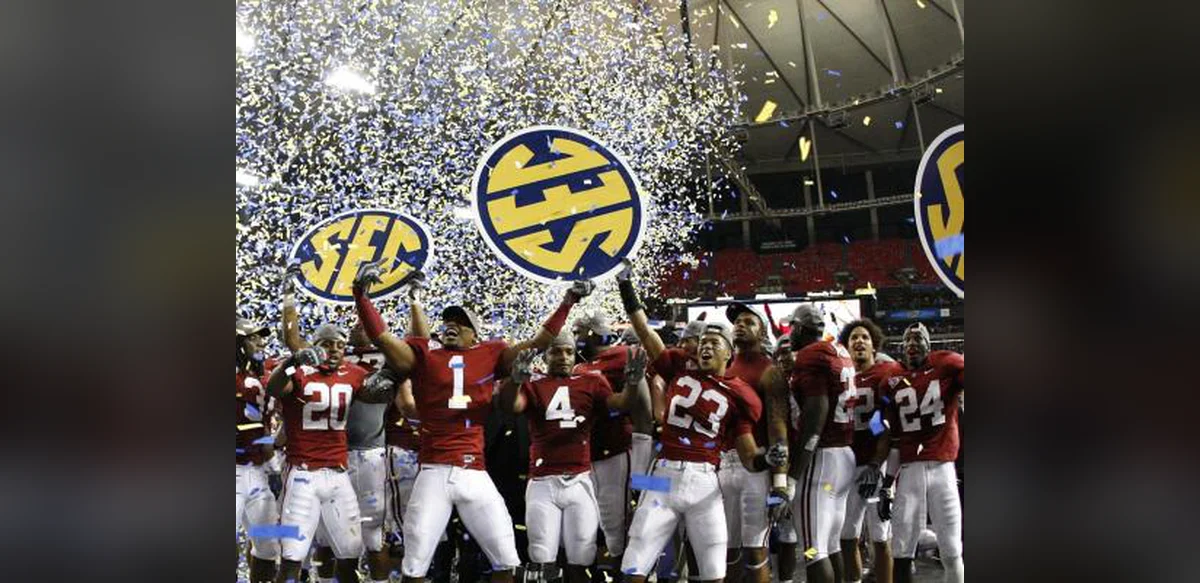
Six years after a period often described as a national racial reckoning, Black Americans face significant challenges from multiple branches of government. The president has emphasized policies that prioritize white Americans as victims of discrimination and has introduced measures to limit immigration while proposing entry for additional white South Africans as an emergency response to reported anti-white bias, according to reports estimating costs at around $100 million. The Supreme Court has limited key provisions of the 1965 Voting Rights Act, arguing that protections for Black voters constitute discrimination. At the state and federal levels, redistricting efforts in several southern states are reducing Black political representation gained over recent decades, echoing earlier segregation measures from the early 1900s. Corporate America has followed suit by scaling back diversity initiatives aimed at increasing Black employment. In response, the NAACP has called on Black athletes to boycott public universities in the Southeastern Conference, a major hub for college football talent. The organization seeks to leverage the cultural and economic influence of sports in the South to address these political developments. Black athletes, who make up a notable portion of participants in football and basketball, have gained additional leverage through name, image, and likeness compensation and transfer rules. Historical examples, such as the 2015 University of Missouri protests and earlier integration efforts, illustrate the potential impact of athlete actions. The NAACP argues that coordinated efforts by Black athletes could influence both sports and broader political dynamics.