


The human body contains roughly 30 trillion cells, all originating from about 100 stem cells during early development. These embryonic stem cells can become any cell type, a property known as pluripotency that scientists now apply in research and medicine.
Human embryonic stem cell research started in 1998 using donated embryos from in vitro fertilization procedures. This created lasting cell lines still used in laboratories nearly three decades later.
In 2007, researchers developed induced pluripotent stem cells by reprogramming adult cells, such as skin cells, back to a pluripotent state. These cells retain the donor’s DNA, supporting personalized medical applications.
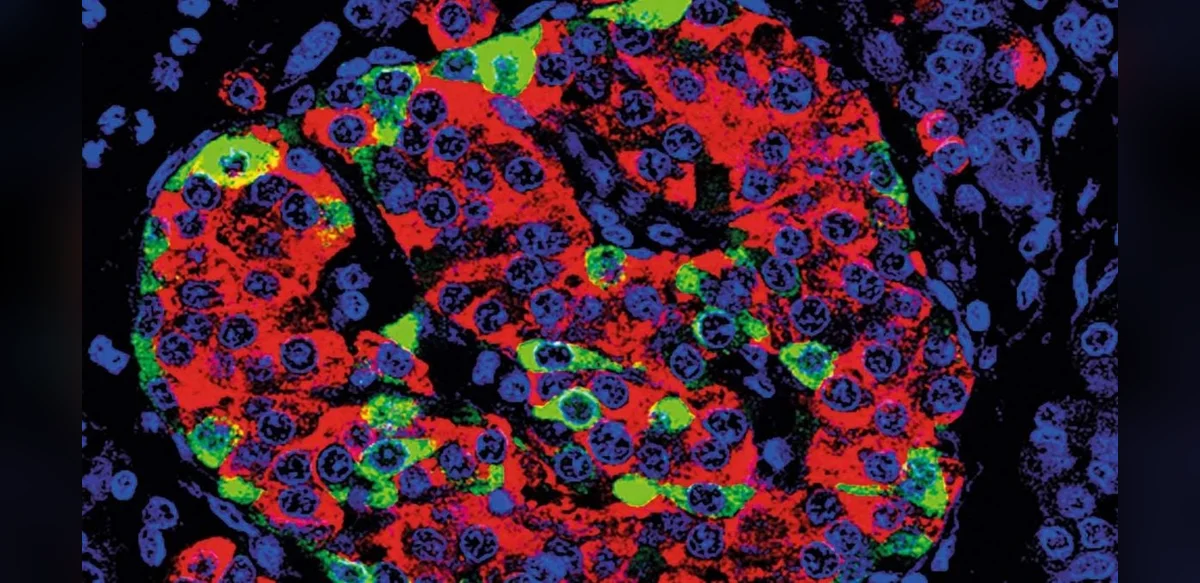
In diabetes research, embryonic stem cells are used to create insulin-producing beta cells, which are lost in Type 1 diabetes. Without these cells, patients rely on insulin injections that do not fully replicate natural function or ease the daily burden of the disease.
Recent trials have tested lab-grown beta cells. One study by Vertex Pharmaceuticals found that 10 of 12 patients stopped insulin injections within six months. Another effort in China converted a patient’s fat cells into induced pluripotent stem cells, then into beta cells transplanted into abdominal muscle; the patient achieved insulin independence within 75 days and maintained it for a year.
Challenges include scaling production safely, ensuring proper cell development, and avoiding immune rejection. Transplanted cells may trigger immune responses, and even patient-derived cells can face autoimmune attack in Type 1 diabetes.
Current immune-suppressing drugs carry significant risks. Researchers are testing alternatives such as protective capsules or genetic modifications to shield cells from immune detection. A 2025 trial using gene-edited cells without suppression showed survival, insulin secretion, and better blood sugar control over 12 weeks.
Stem cells continue to advance regenerative medicine, with improving techniques for creating specialized tissues and early clinical successes already reported.

