


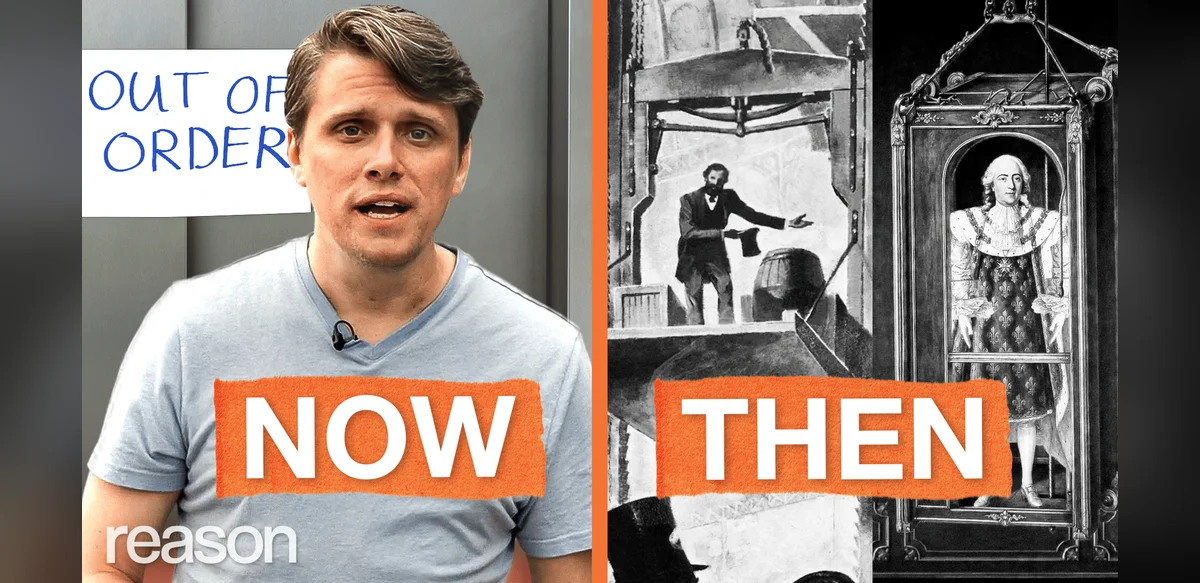
The United States pioneered elevator technology in the nineteenth century, yet contemporary projects face notable hurdles in implementation. These difficulties contribute to higher costs for residential development, reduced access in multi-story structures, and slower evolution of metropolitan areas. Regulatory frameworks and labor agreements play central roles in these outcomes.
Historical records show early innovations allowed vertical expansion in cities. Over time, safety standards evolved to address risks associated with mechanical systems. Current codes emphasize detailed inspections and specific material requirements, which can extend project timelines.
Analyses indicate that compliance processes vary across jurisdictions. Some regions maintain stricter interpretations of national guidelines, leading to repeated reviews. This variation affects builders seeking to add units in dense neighborhoods where space is limited.
Labor arrangements also influence installation phases. Union contracts often specify crew sizes and certification levels for technicians. While these provisions aim to ensure quality, they may increase expenses compared to alternative staffing models used elsewhere.
Data from housing studies link these factors to overall project budgets. Elevated costs can reduce the number of affordable units completed annually. Developers report adjustments in planning to account for extended permitting periods.
Accessibility concerns arise when new buildings incorporate fewer vertical transport options. Older structures undergoing renovation encounter similar constraints, limiting modifications for residents with mobility needs.
Urban planners note impacts on city vitality. Efficient movement between floors supports commercial activity and residential density. Delays in system deployment can hinder mixed-use developments intended to revitalize districts.
Comparisons with other nations reveal differences in approval speeds and component sourcing. Some countries utilize standardized designs that streamline integration. Domestic practices prioritize customization to meet local ordinances.
Policy discussions focus on balancing safety with efficiency. Proposals include streamlined review procedures and updated training programs for installers. Stakeholders from various sectors participate in these conversations.
Economic assessments suggest broader effects on growth metrics. Housing supply shortages in major centers correlate with multiple supply-chain elements, including vertical mobility solutions. Addressing these elements forms part of larger infrastructure strategies.
Future outlooks depend on coordinated efforts among regulators, builders, and workforce representatives. Adjustments to existing frameworks could facilitate more consistent project delivery without compromising established protections.
Continued monitoring of completed installations provides feedback for refinements. Performance data informs updates to guidelines, aiming for improved outcomes in subsequent developments.
Overall, the interplay of historical legacy, current rules, and labor dynamics shapes the present landscape for elevator integration in American buildings. Observers anticipate incremental changes as priorities shift toward sustainable urban expansion.

