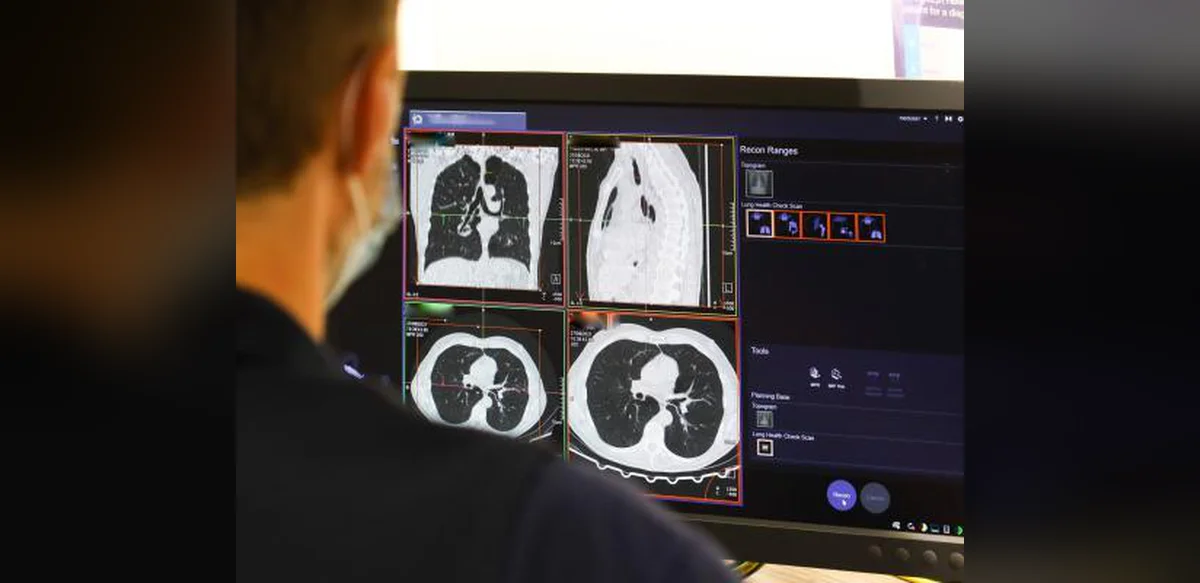
The NHS is paying private companies record amounts to interpret diagnostic scans as hospitals face high workloads and staffing shortages, according to new research. Spending on outsourced analysis of CT and MRI scans has risen sharply and signals a short-term approach that has failed to train sufficient doctors, according to warnings to ministers. Scans play a key role in diagnosing conditions such as cancer and tracking treatment progress, requiring timely results. Many hospitals use non-NHS firms to read some scans to meet deadlines. NHS trusts and health boards across the UK paid private firms £241 million for this work last year. As demand grows, spending has doubled from £120 million in 2021 and tripled from £81 million in 2018. The 2025 total was £25 million, or 12 percent, above the £216 million spent the previous year. The Royal College of Radiologists, which gathered the data in its annual workforce survey, described NHS spending on private scan interpretation as expanding rapidly. A nationwide shortage of radiologists has left hospitals without enough capacity to handle all scans, causing the service to lose funds to independent providers, the college stated. It also noted concerns that some reports from private firms are of low quality, requiring NHS radiologists to review them again and raising doubts about outsourcing value. Eighty-six percent of NHS radiology department leaders expressed serious concerns that privatisation leads to lower-quality reports, while 90 percent said NHS radiologists must verify outsourced reports. Dr Stephen Harden, president of the Royal College of Radiologists, said increasing reliance on outsourcing is unsustainable and costs are rising sharply. He noted that outsourcing can address short-term backlogs but is not a lasting fix for workforce gaps. Clinical radiologists are essential for most diagnoses, yet rising scan demand exceeds current capacity. The Department of Health and Social Care recognised growing pressure on radiology services and said a forthcoming NHS workforce plan would address staffing needs. Harden called on ministers and NHS leaders to expand the radiology workforce by adding more training posts. There are currently 11 applicants for each training position. Ignoring this and continuing high outsourcing spending would be short-sighted, waste NHS resources and harm patients, he said. The Centre for Health and the Public Interest warned the NHS could become permanently dependent on private firms for scan interpretation. Its director David Rowland said use of private teleradiology firms is expanding quickly. Past experience shows that once such roles move to the private sector they stay there, diverting income from NHS hospitals and limiting training opportunities for future staff. The risk is full NHS dependence on private companies focused only on profit. A department spokesperson acknowledged pressures on radiology and rising demand for imaging. Despite this, the NHS performed 30 million diagnostic tests last year, with 95,000 more patients receiving a cancer diagnosis or all-clear within 28 days compared with the prior year. The government will publish a 10-year workforce plan to support a transformed health service in England, ensuring appropriate staffing levels and skills.