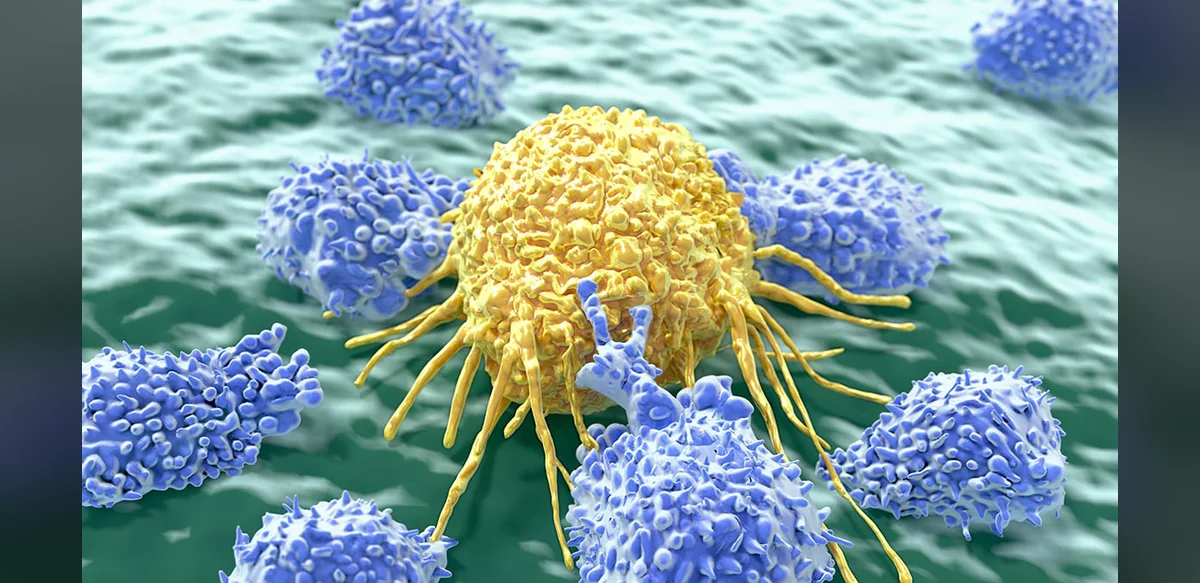
Vitamin B2, also called riboflavin, supports various bodily functions including skin health and fat metabolism. New findings indicate it also aids cancer cell survival by helping form a defense against ferroptosis, a form of programmed cell death triggered by membrane damage. Researchers at the University of Würzburg in Germany showed that limiting vitamin B2 makes cancer cells more susceptible to this process. The vitamin assists the protein FSP1, which works with GPX4 to block ferroptosis. Screening thousands of genes revealed that FSP1 relies on the RFK gene, involved in converting vitamin B2 into usable forms. Experiments confirmed this pathway and identified roseoflavin as a potential disruptor. In lab tests, this B2 mimic promoted ferroptosis in cancer cells without affecting healthy ones. The approach could enable targeted treatments, though further work is needed. The study notes ferroptosis also relates to other conditions such as neurodegenerative diseases. Results appear in Nature Cell Biology.