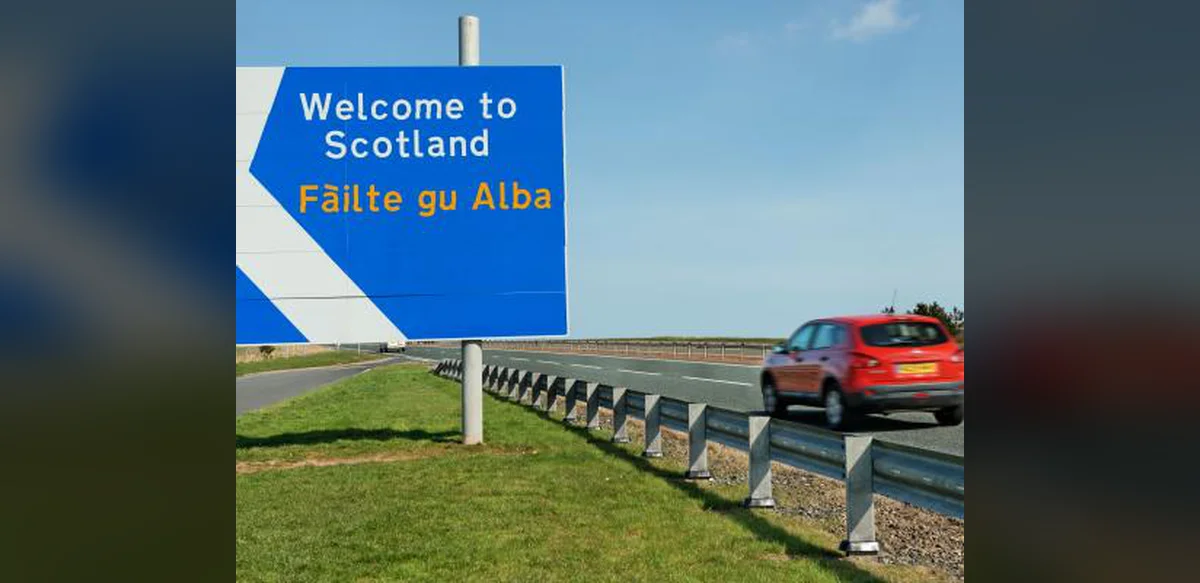
Research highlights how welfare nationalism has produced notable gaps in benefit entitlements across the UK. A low-income Scottish family can receive around £15,000 more annually in state support than an equivalent household in England. According to the analysis, an out-of-work couple with four children would get £22,000 yearly in York, £32,000 in Belfast and £37,000 in Glasgow. Other differences include extra payments in Scotland that give parents on universal credit an additional £1,800 in a child’s first year. Opt-outs from the benefit cap also leave Scottish and Northern Irish families potentially thousands of pounds better off each year. The study notes that while overall UK welfare spending rises only slightly, the effects on individual low-income households can be substantial. Recipients involved in the report welcomed some devolved measures but described unequal access as unfair. Extra Scottish child payments and protections from the benefit cap explain much of the gap. Social housing tenants in Scotland and Northern Ireland receive automatic relief from the bedroom tax, unlike the discretionary help available in England and Wales. Council tax support levels also vary widely, with some English families paying hundreds of pounds more than those in Scotland or Wales. Devolved policies added roughly £1 billion to UK social security costs in 2023-24, mainly in Scotland. The findings come from academics at three universities along with the Resolution Foundation and Child Poverty Action Group.