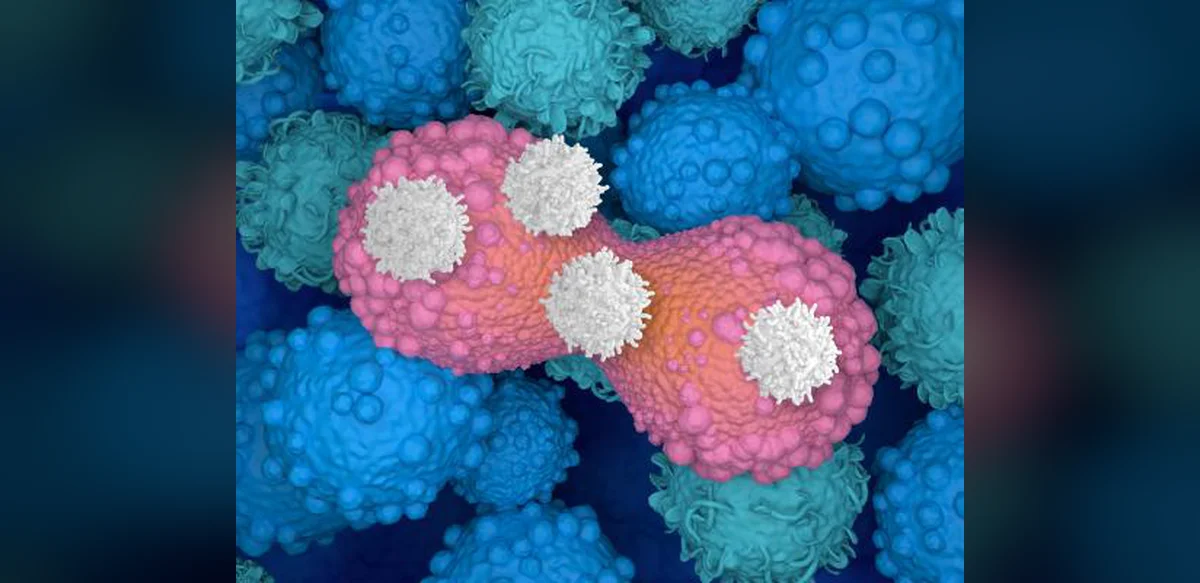
An innovative medication that prevents cancer cells from evading therapy reduced tumor size by 30 percent or more in six major cancer types during initial clinical testing. Although immunotherapy has extended survival for many individuals, its impact often diminishes when malignant cells conceal themselves and continue to grow. Scientists in Oxford created a compound to prevent tumor cells from masking their presence, enabling immune-based treatments to detect and eliminate them. The study, conducted across the United Kingdom, France, Spain and Australia, involved 83 participants with cervical, bladder, liver, bowel, lung or head and neck cancers. They received the new agent, GRWD5769, together with the immunotherapy drug cemiplimab. Investigators from the Christie NHS foundation trust in Manchester reported tumor shrinkage in 26 patients, with 15 achieving reductions of at least 30 percent. Every participant had previously not responded to therapy and most had exhausted other options. Prior immunotherapy had either failed or ceased to work. The new medication stripped protective layers from tumor cells, exposing them to immune components that target infections and disease. This exposure allowed cemiplimab to locate and attack the cancer. Results were shared at the American Society of Clinical Oncology annual meeting in Chicago. GRWD5769 produced tumor reduction across all six cancer types studied. Disease progression was halted for at least six months in 18 percent of cervical cases, 32 percent of liver cases, 36 percent of bladder cases, 38 percent of head and neck cases, and more than half of bowel (51 percent) and lung (55 percent) cases. Phase 1 findings were presented by principal investigator Prof Fiona Thistlethwaite. She noted that the tablet form showed strong early performance and that additional research is required to confirm benefits. The tablets, developed by Greywolf Therapeutics in Oxford, were generally well tolerated and can be taken at home. The trial continues with plans for expanded testing. Immunotherapy uses T-cells to seek and destroy cancer, yet it does not succeed in roughly two-thirds of patients because tumors can hide by altering the ERAP1 enzyme. GRWD5769 blocks this enzyme, revealing cancer cells to previously ineffective T-cells. Experts described the early signals of activity across resistant cancers with limited side effects as encouraging, though larger studies are needed to verify lasting outcomes.