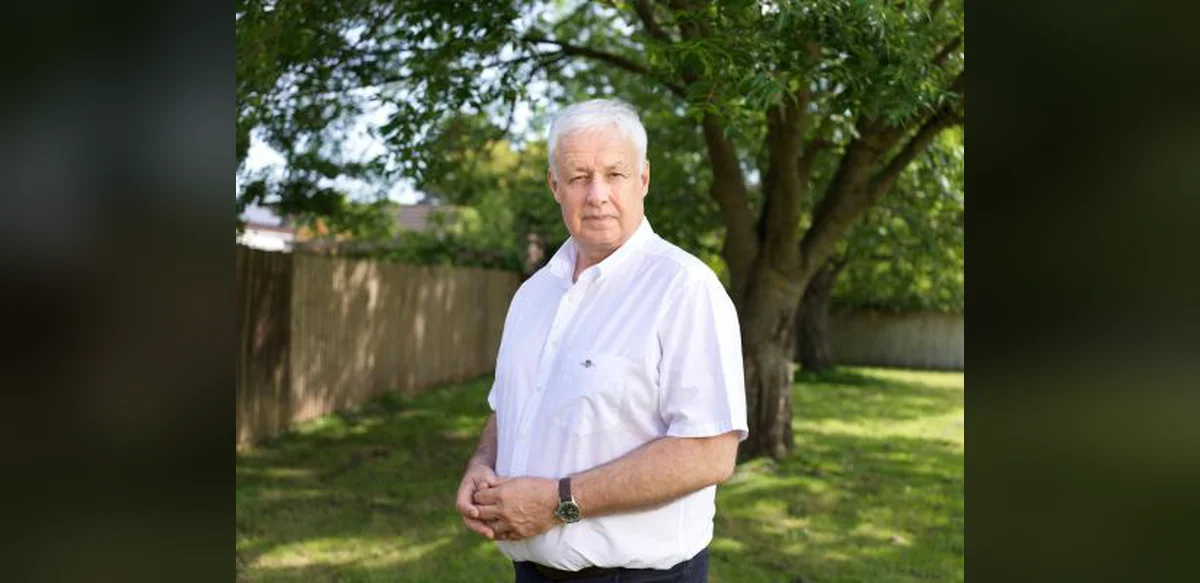
Crime dramas often misrepresent cold cases. Real investigations rarely conclude neatly in a set number of episodes with steady tension, says Dave Grimstead, a former police officer with over 30 years of service. Actual cases involve repeated false leads, dead ends and resource limits. They are not solved by a single detective but require larger teams. One accurate element is the persistent investigator who cannot let go of an unsolved matter. Many officers carry at least one such case long after public attention fades. In quiet moments they may still review leads or make calls. Decades later some continue to think about the details. For Grimstead one such case was the 1996 disappearance of Melanie Hall. The 25-year-old was last seen arguing with her boyfriend at a Bath nightclub and never returned home. As a detective constable in Avon and Somerset, Grimstead worked on what began as a missing-person inquiry and later resembled a murder investigation. Extensive interviews, CCTV reviews, searches and appeals produced no answers. In 2009 her remains were discovered beside the M5. A supervisor continued the inquiry past retirement as a civilian. The case remains open. Grimstead retired in 2012 yet remained affected by the effect on families and colleagues. Investigations advance rapidly to new matters, he notes, while families stay fixed in uncertainty and may struggle to obtain follow-up support. Inside policing, officers often face pressure to limit time and resources on older files. During a holiday in Cornwall, Grimstead considered creating a volunteer search-and-rescue service for missing persons on land, modeled on the RNLI. In 2019 he founded Locate International. Volunteers receive training, work in online teams and handle long-term missing or unidentified cases, the types most likely to lose priority. His book Someone Must Know describes several examples, including Karen Milsom, missing from France since 2019, an unidentified man found on an Irish beach in 2009, and a woman who died after jumping from a London building more than twenty years ago. Teams of volunteers aged 18 to 77, drawn from varied professions, now work on these matters. The most recent recruitment round received 200 applications. The organisation has no paid staff. Grimstead, now 62, returned to community-focused work similar to his early career in east London, where he joined the police at 16 after considering teacher training. He values the collaborative spirit he observed among volunteers providing local services.