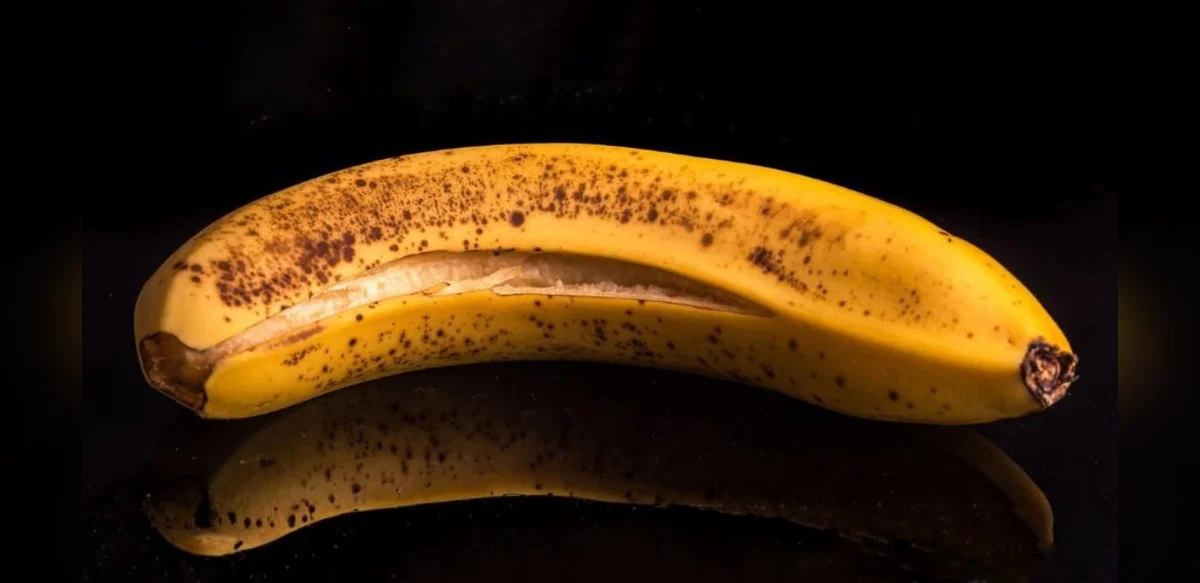
Many households discard brown bananas or wilted salad from the refrigerator. Studies indicate Australian homes waste roughly 30 percent of purchased food, totaling 2.5 million tonnes annually. Rising living costs heighten the impact of such losses, prompting greater reliance on food aid and reduced purchases of fresh items, sometimes with heightened safety concerns. Knowledge and resourcefulness allow recovery of certain foods without health risks. Not all items can be saved if they pose safety issues. Four primary indicators warrant disposal: visible mold, slime, leaking fluids, or strong sour odors. Foods showing these traits should be discarded to prevent illness such as abdominal pain, nausea, vomiting, or diarrhea. Wrinkles, browning, or dryness often signal age rather than dangerous decay. Brown or black bananas remain safe for baking or smoothies, though kept separate from fresh fruit due to ethylene gas that accelerates ripening. Wrinkled apples suit cooking or grating. Citrus rinds harden but their zest and pulp work in recipes and marinades. Mold on firm large fruits can be trimmed with a wide margin, yet soft small fruits like berries require full disposal. Limp vegetables retain usability through roasting or pureeing into dishes. Leafy greens revive via cold water soak for 30 minutes. Firm produce like potatoes allows removal of damaged spots, but extensive greening or sprouts indicate toxins. White fuzz on mushrooms is typically mycelium, not mold, which appears as colored clusters. Moldy bread must be thrown out as spores spread readily in porous items, though stale bread without mold converts to croutons. Cooked rice or pasta lasts a few days refrigerated if reheated thoroughly to at least 60°C. Leftovers left out over two hours require disposal. Dairy past its use-by date should be discarded, with clean utensils and prompt refrigeration to avoid early spoilage. Soft cheeses with mold need complete removal, while hard varieties permit trimming with ample margin and proper wrapping for extended storage. These practices reduce waste and expenses while maintaining safety.