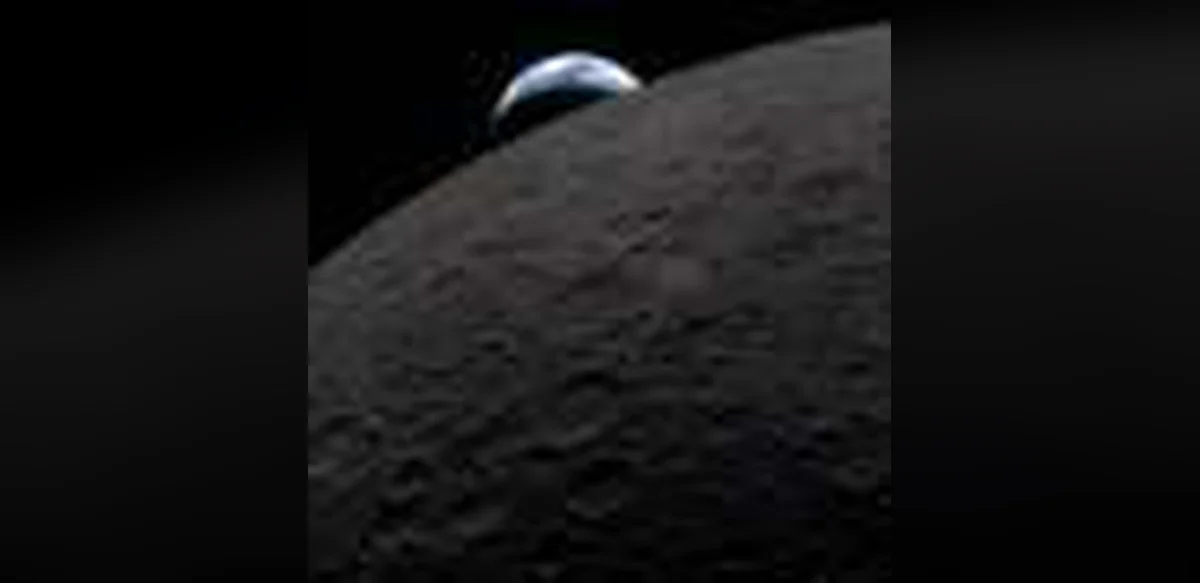
This April, the Artemis II Orion spacecraft sent clear video and photos of its trip around the moon from more than 250,000 miles away. The images reached Earth at speeds similar to typical home internet. The Orion Artemis II Optical Communications System made this possible. Developed by MIT Lincoln Laboratory with NASA Goddard, the system used a laser link to ground stations in New Mexico, California, and Australia. It connected the spacecraft to Mission Control in Texas. The goal was to show that high-speed links can work for crewed flights beyond low Earth orbit. Earlier moon missions used radio systems with lower data rates. Laser light allows much higher speeds. During the mission, the system sent nearly half a terabyte of data at up to 260 megabits per second. This included new views of the moon’s far side, Earth setting behind the moon, a solar eclipse, and meteoroid impacts. The data reached the ground quickly and remained safe for analysis.