


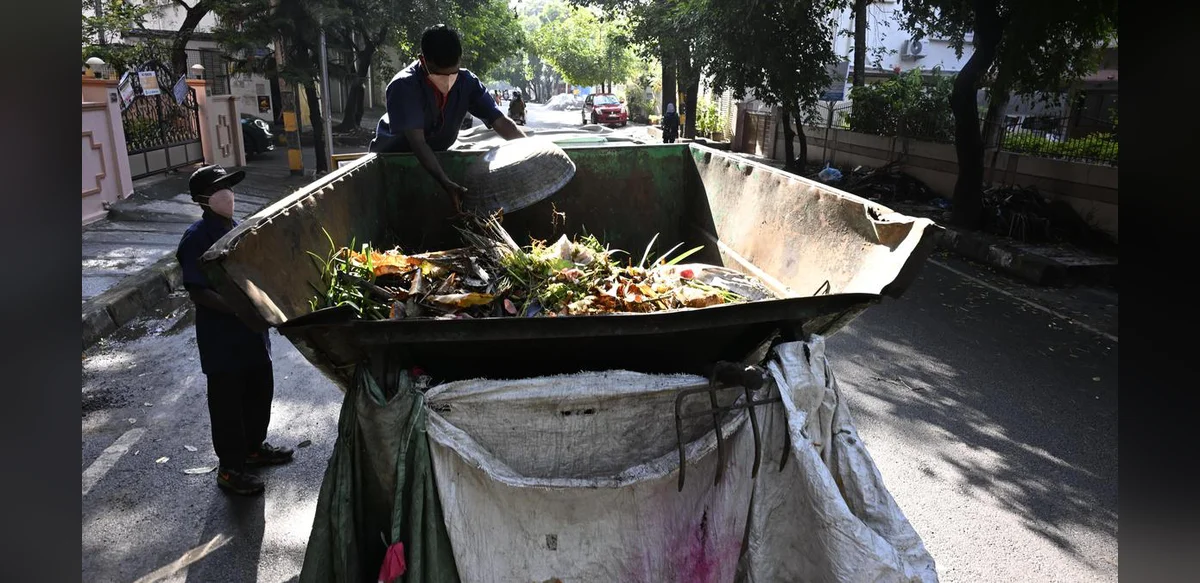
Karnataka’s new Minister for Urban Development has a chance to reconsider what defines a healthy, resilient and fair city. Public debate on urban growth often centres on infrastructure and tech solutions. Yet a city’s real progress shows in how its systems protect the health and welfare of those who maintain daily operations.
These include sanitation staff, street cleaners, waste handlers and drain workers who deliver vital services. Their daily conditions reveal much about urban systems, especially amid climate shifts.
Climate change is commonly framed around rising heat and ecological harm. Impacts vary sharply by housing quality, job type, healthcare access, social support and public facilities. Thus climate issues also represent an urban governance matter.
Uneven effects
In Karnataka cities, sanitation workers spend extended periods outside. With heatwaves growing more common and severe, extreme heat exposure has become a regular occupational risk. Heat stress can cause dehydration, fatigue, kidney issues, heart complications and lower output.
Many such workers reside in informal areas with uneven basic services. Crowded homes, poor airflow, scarce water and limited greenery heighten heat exposure. In extreme weather, residents may lack enough water for drinking or cooling, while weak drainage raises flood and illness risks. Workers therefore face climate threats both on the job and at home.
What does this indicate about city health? Standard public health measures track disease rates, deaths and service reach. These remain useful yet often miss how urban systems operate in reality. A city may list clinics, welfare programmes and climate plans, but delivery to those most in need is separate. Sanitation workers serve as a gauge because they intersect multiple systems: municipal rules, labour contracts, housing, environmental services, healthcare and social policies.
Healthcare access offers one example. Many Indian cities have widened primary care, yet doubts persist on reach for workers whose needs tie to job exposures. Are centres ready for heat illnesses? Do workers know the options?
Social protection programmes likewise exist but can prove hard to use. Bureaucratic hurdles, limited awareness and split responsibilities often block intended support.
These shortfalls grow as climate effects strengthen. Indian cities including Bengaluru are drafting climate plans for lower emissions and greater resilience. Adaptation must go beyond infrastructure to tackle human vulnerability. This calls for reframing urban development so health informs planning, housing and labour policies.
Climate-focused urban policy
For Karnataka cities, key steps stand out. Climate and heat factors should enter occupational health rules for municipal and contracted sanitation staff. Heat plans must cover worker safeguards such as water access, shaded breaks, adjusted schedules and regular health checks. Second, spending on informal settlements matters. Better housing, water, drainage and green spaces improve health and cut climate risks.
Third, urban primary care should handle climate-linked conditions through provider training and worker access. Fourth, cities require stronger data on heat exposure, care-seeking, costs and long-term effects among urban workers. Finally, urban governance needs tighter integration.

