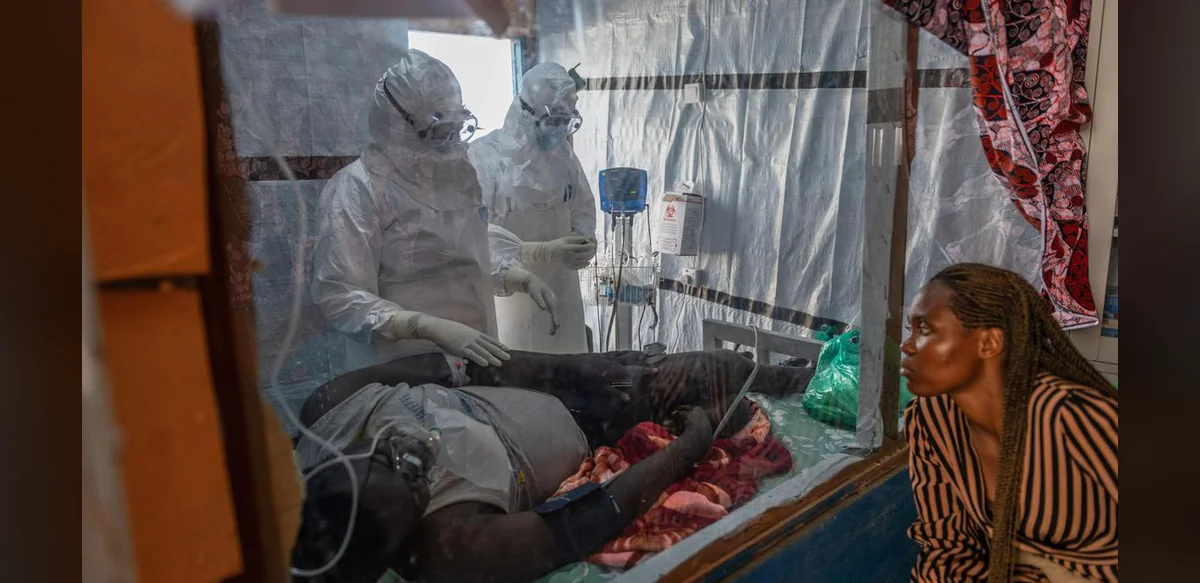
The ongoing Ebola outbreak in the Democratic Republic of Congo poses risks to tens of thousands of jobs and may lead to economic losses across Africa reaching $3.6 billion, according to a United Nations assessment. The UN Development Programme stated that the epidemic is triggering widespread socioeconomic effects that could drive an additional 985,000 people into poverty. It noted that the crisis threatens employment in multiple sectors, interrupts schooling and medical services, and could impose heavy costs on regional economies if effects spread further. The impact on poverty levels would hit women especially hard and mainly affect the DRC along with neighboring countries including Uganda, Rwanda, and South Sudan. While health measures such as quarantines are essential, broader limits on movement and commerce are harming local businesses and informal work, the agency observed. Current figures from the World Health Organization list 1,333 confirmed cases, 399 deaths, and 189 recoveries in the DRC. The outbreak also affects daily life beyond hospitals by disrupting incomes, education, food supplies, commerce, government budgets, and public confidence. Treating it only as a medical issue could overlook larger development challenges. Even in a scenario where the virus stays limited to the DRC and Uganda, which has recorded 20 cases, economic harm would remain significant. The DRC alone faces potential GDP reductions over $1 billion and the elimination of 55,000 positions. Disruptions to trade, borders, transport, consumer spending, and informal markets could cut continental GDP by $2.37 billion under contained conditions. Recommended steps include cash support for those most at risk, replacing broad border closures with focused checks, and creating rapid funding to maintain maternal and child health services. The outbreak is centered in the conflict-affected Ituri province of the DRC and involves the Bundibugyo strain, which lacks a vaccine or targeted therapy.