


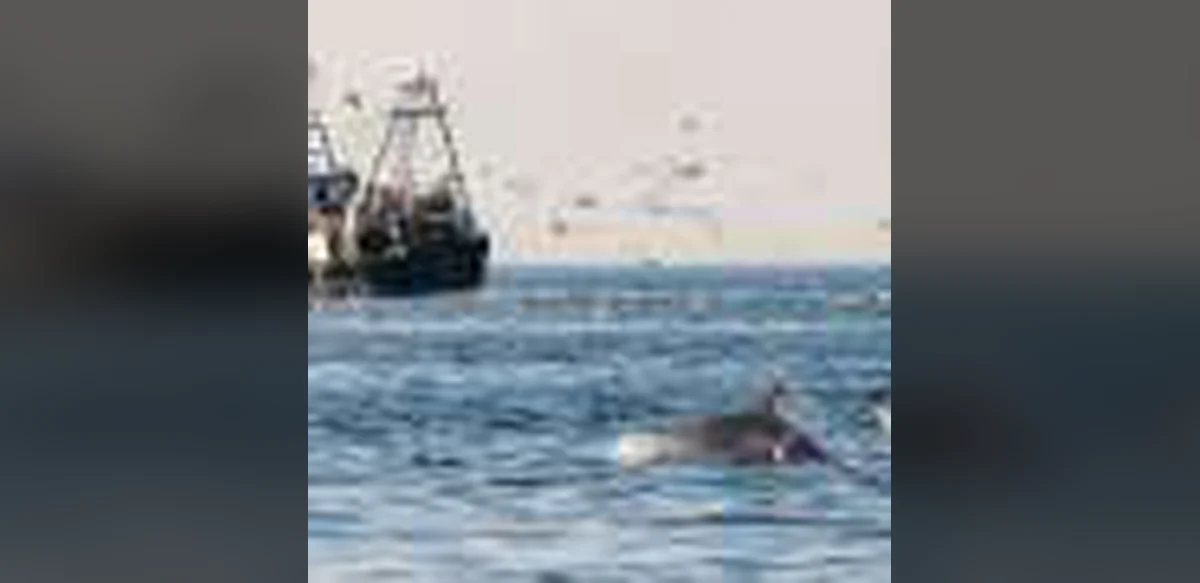
Bottlenose dolphins in the Adriatic Sea spend much of their time trailing trawlers to obtain food, according to researchers. Decades of bottom trawling have damaged the seabed ecosystem, removing many top predators and leaving only these dolphins. Scientists observed dolphins following up to 76 percent of trawlers inspected off Marche, Italy, indicating possible difficulty in normal hunting.
Dr. Giovanni Bearzi, president of Dolphin Biology and Conservation and lead author of the study published in Frontiers in Mammal Science, noted that prolonged association with trawlers points to strong dependence on this fishery. Dolphins still hunt independently on non-trawling days but primarily forage near nets when trawling occurs.
Fish stocks across the Mediterranean, especially in the Adriatic, face severe overexploitation. While dolphins are known to scavenge discards or enter nets for meals, the extent of reliance and effects on behavior and health remain unclear.
Researchers monitored trawlers off Veneto and Marche from 2018 to 2025, completing 859 inspections across 148 days. They photographed dolphins for individual identification and compared behaviors by region and trawler type.
Dolphins followed 76 percent of otter trawlers in Marche and 26 percent in Veneto. Overall, they trailed 41 percent of otter trawlers, 35 percent of midwater trawlers, and just 1.5 percent of beam trawlers, likely due to net design and prey differences.
The combined dolphin populations in Veneto and Marche exceed 1,000 individuals. Between 86 and 90 percent were seen following trawlers at least once, showing that most regularly forage behind vessels.
This opportunistic behavior has intensified since the 1990s, when only 10 percent of trawlers attracted dolphins. In depleted ecosystems, animals increasingly seek food near humans. Trawlers offer easy access but carry risks including injury, altered diet, social changes, and hearing damage from noise.
Researchers stress dolphin resilience. Reducing or banning trawling could allow ecosystem recovery, enabling dolphins and other species to thrive again as before intensive fishing began. They call for protective measures to restore marine diversity.

