


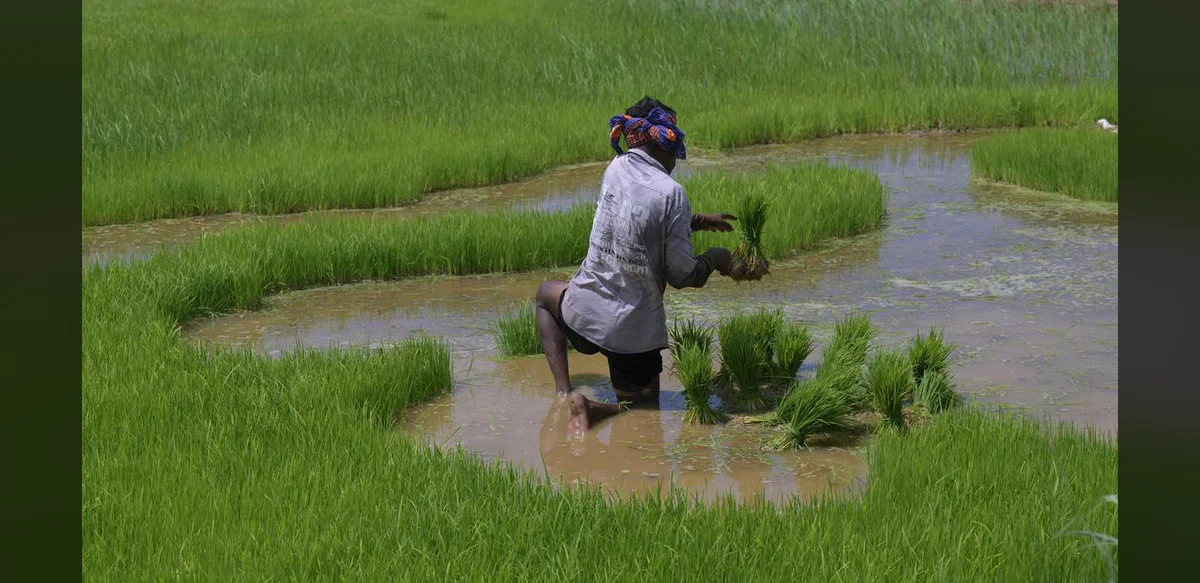
Following a 40 percent shortfall in the opening month of this year’s monsoon, the India Meteorological Department predicts below-normal rainfall for July, under 94 percent of the typical amount. Such conditions could strain farming, water supplies, power from dams, natural systems, and access to drinking water, officials cautioned. June already recorded just 99.5 mm of rain versus a normal 165.3 mm, a nearly 40 percent drop across all regions.
Agriculture Minister Shivraj Singh Chouhan recently highlighted risks from a possible intense El Niño event, noting direct effects on Kharif crops in areas reliant on seasonal rains.
A weak monsoon can hurt the economy via three channels: lower farm production cuts sector output; reduced rural earnings weaken overall spending; and rising food costs fuel inflation.
India entered the season with strong foodgrain production of 357.73 million metric tonnes in 2024-25, an increase of 25.43 million from the prior year, but this progress faces threats.
CRISIL reports expect expanded paddy planting in Punjab, Haryana, and Bihar, yet maize areas may shrink as growers favor higher-value options. Pulses could gain favor due to lower costs and water needs, while vegetable sowing might be skipped. Factors like irrigation, support prices, and markets influence choices.
This shift may drive up food and drink prices. The Reserve Bank of India noted in June that a poor southwest monsoon could affect growth and inflation outlooks. Consumer price inflation reached 3.9 percent in May 2026 from 3.5 percent in April, with rises across food, fuel, and other areas. Recent data through mid-June showed continued food price increases for oils, potatoes, onions, and tomatoes.
Combined with elevated global food costs from fertilizer, oil, and transport expenses, domestic prices face further upward pressure.
Though farming contributes one-fifth of gross value added, it employs 46 percent of workers and supports 55 percent of the population, directly affecting many lives, according to experts.
Farm incomes could drop as much as 10 percent, with rural non-farm activities like construction contracting and industries tied to village demand suffering, analysts said.
Signals appear early in vehicle sales, especially two-wheelers and tractors, then extend to property markets in smaller urban centers. A combined El Niño and drought scenario might reduce GDP growth by 20 to 65 basis points.
Additional strains include pest issues and fertilizer limits linked to the Iran conflict. The cabinet approved 41,533 crore rupees in nutrient-based subsidies for key fertilizers covering 28 grades this season. Shortfalls may require buffer releases and imports, widening the current account deficit and pressuring the rupee.
The 2026 weak monsoon overlaps with West Asian conflict effects, prompting calls to curb gold buys and overseas trips to protect reserves.
Agri-exports, which grew at an 8.2 percent compound annual rate from 2020 to 2025 and made up 12 percent of core exports, also face risks.
Past El Niño events have brought major droughts in years like 1972, 1982, 2009, and 2015. Since 2000, six of 11 below-normal monsoons coincided with El Niño, five resulting in deficient rain.

