


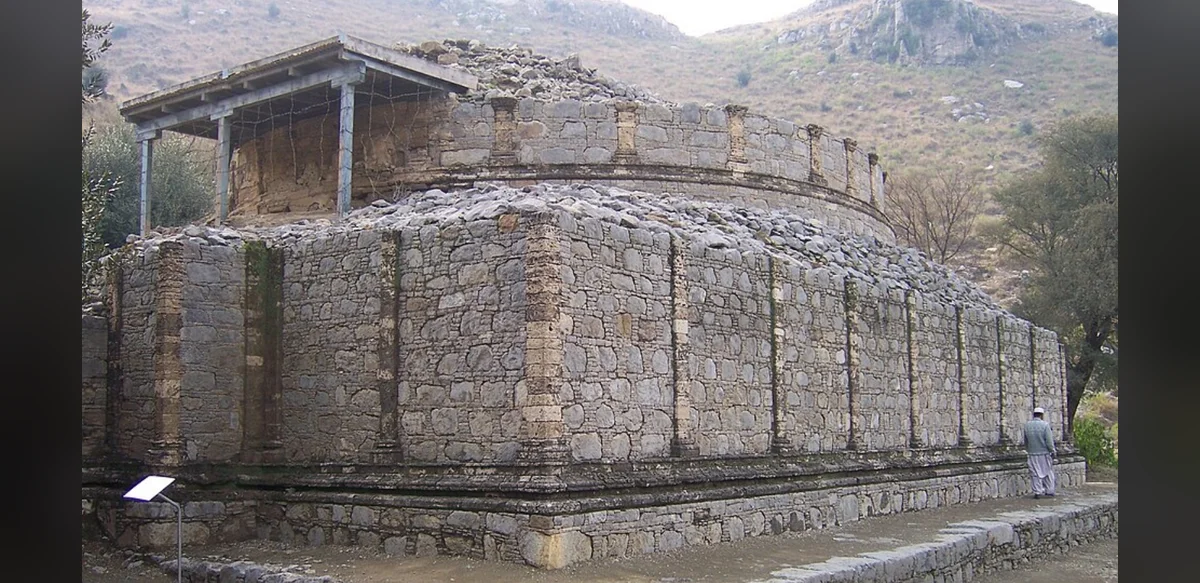
UNESCO has urged Pakistan to undo recent work at two monuments in Taxila, Rawalpindi district, saying the changes risk the site’s world heritage status. The agency cited possible loss of authenticity at Mohra Moradu and Sirkap. Pakistan’s Punjab archaeology department described the work as conservation rather than reconstruction.
Former Archaeological Survey of India regional director K K Muhammed said international rules place authenticity and integrity first. He explained that preservation usually means chemical treatment, conservation means repairs that keep original character, and restoration applies only when enough original material exists to rebuild accurately after events such as earthquakes.
Restoration must rely on evidence, not speculation, he added. Reports indicate new masonry was used and some walls were raised in height, actions that can affect authenticity.
Restoration is allowed under strict conditions, including anastylosis, where original fragments are reassembled. This method has been used at sites in Greece and elsewhere. Modern materials may be introduced when they reduce structural risk, as seen at Bhojpur Temple, but changes must stay within documented evidence.
Routine repairs aim to stabilise structures, while reconstruction without proof is discouraged. Decisions should rest with conservation experts rather than visual preferences alone.

