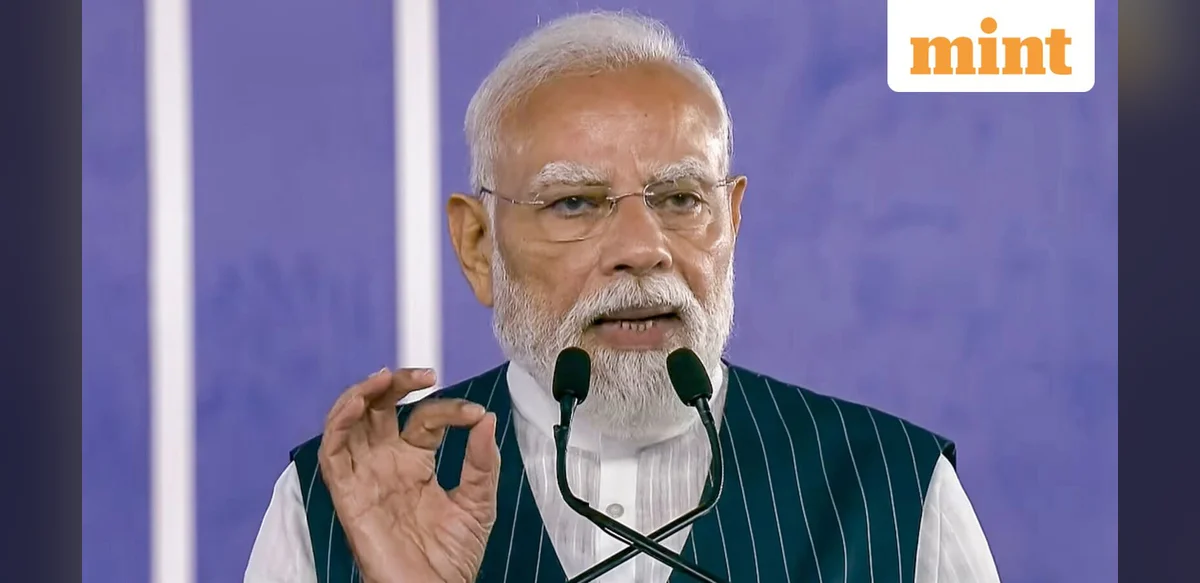
India intends to construct additional crude oil refineries to strengthen supply chain security, even while Western countries close processing facilities, Prime Minister Narendra Modi stated. No new refinery has been built in the United States over the past fifty years, and European capacity has steadily decreased, he noted on Saturday while opening the nation’s first new refinery in ten years. India plans to keep increasing its capacity. The 180,000-barrels-per-day facility in Rajasthan’s Thar desert includes 2.4 million tons of annual petrochemical output and cost $8.3 billion to build. Analysts from BloombergNEF expect it to be the only new refinery commissioned worldwide this year. The project boosts India’s refining capacity as Western nations close plants and investment slows elsewhere. It reflects New Delhi’s approach of relying on strong domestic fuel demand, slower electric vehicle uptake, and refined product exports to support further spending on oil processing. An analyst from BloombergNEF observed that the Barmer refinery adds complex capacity in a major long-term oil demand growth area. India is projected to lead global refinery additions from 2026 to 2030, contributing over 1 million barrels daily, or nearly a quarter of worldwide increases by decade’s end. The refinery gains importance after recent Iran tensions raised worries about crude shipments through the Strait of Hormuz. While it does not lessen India’s reliance on imported crude, it improves processing flexibility and supports domestic supplies plus exports. Modi credited such investments with helping India manage the largest oil supply shock in history. Other nations rationed fuel and raised prices after Hormuz closures, yet India’s prior decade of spending kept its economy supplied. The Rajasthan plant is a joint venture between Hindustan Petroleum Corp. Ltd. and the state government. It will mainly produce diesel, gasoline, and petrochemicals from about 150,000 barrels daily of imported crude. Operations started on June 22. The inauguration had been planned for April but was delayed after a fire at the crude distillation unit. The project raises India’s total refining capacity by roughly 3.5 percent to 5.4 million barrels a day. The country, the world’s fourth-largest refiner, aims to reach 6.2 million barrels daily by 2030 through replacements of older units with larger, efficient plants.