


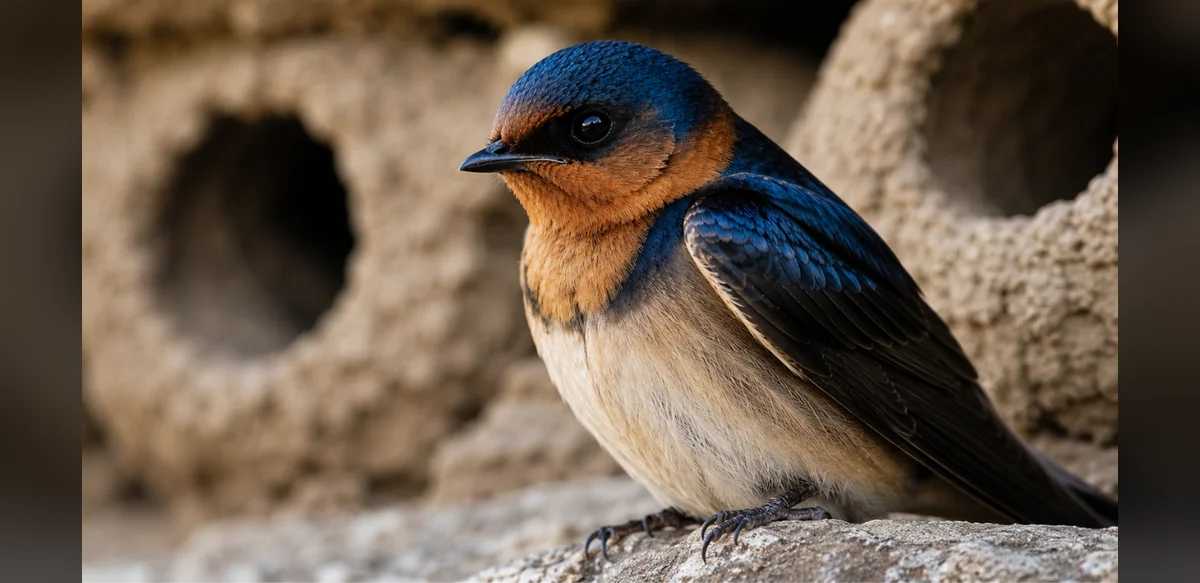
For centuries thousands of cliff swallows returned each spring to San Juan Capistrano in southern California. The birds migrated from South America and built mud nests on the sheltered walls and ledges of the historic mission. Their arrival became a well-known event that inspired songs, poems and an annual festival.
By the late twentieth century the number of returning swallows had fallen sharply. Urban growth reduced open spaces used for gathering mud and catching insects. Modern structures offered fewer suitable nesting spots, and routine maintenance often removed existing nests. Drought and changing weather patterns also lowered insect numbers.
Local residents, scientists, conservation groups and mission staff responded by installing artificial nesting towers and protected ledges. Volunteers restored nearby areas where the birds could collect mud and find food. Researchers tracked nesting activity each year and adjusted the measures accordingly.
Over time more swallows began to reappear, although in smaller numbers than before. Their return demonstrated that habitat restoration can help migratory species reestablish historic breeding sites. The town now marks the event with the annual Swallows Day Parade, which draws visitors and celebrates the long-standing connection between the community and the birds.

