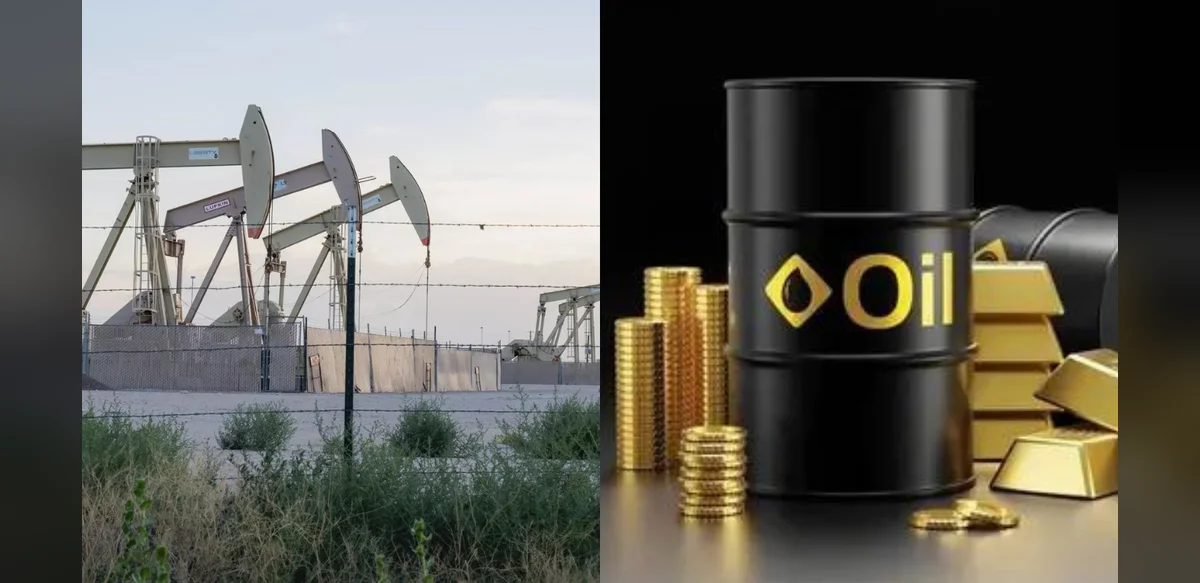
The global oil market has shown strong resilience after losing more than a billion barrels of supply during the Iran conflict, avoiding the severe shortages many expected. Yet a Reuters analysis warns that depleted strategic reserves and ongoing geopolitical tensions leave the world exposed to renewed price swings in coming years. The four-month conflict, sparked by U.S. and Israeli strikes on Iran, raised fears that disruptions in the Strait of Hormuz would cut off a vital energy route. Peak supply losses hit an estimated 14 million barrels per day, the largest energy disruption recorded by the International Energy Agency. Despite the shock, markets stayed relatively stable. Brent crude rose briefly to about $126 per barrel in April but remained below 2008 peaks and later fell below pre-conflict levels. Analysts credit this outcome to lower global oil intensity since the 1970s, plus quick responses by producers and consumers. Major Gulf exporters rerouted shipments, China cut imports while expanding electric vehicles, and governments released roughly one billion barrels from reserves, including a record IEA-coordinated draw. China entered the conflict holding nearly 1.4 billion barrels, more than all IEA members combined. Markets stayed calm partly because investors expected the conflict to end. Signals from Washington about diplomacy and extra supply discouraged large speculative bets. A preliminary peace deal last month reinforced confidence that flows would normalize. However, risks persist. Several Gulf producers are still repairing infrastructure damaged in attacks, with full recovery expected to take years. Tanker traffic through the Strait of Hormuz remains below pre-war levels. Talks between Washington and Tehran stay fragile, and the ceasefire is temporary. The biggest long-term concern is reduced global inventories, which now offer less buffer against future shocks.