


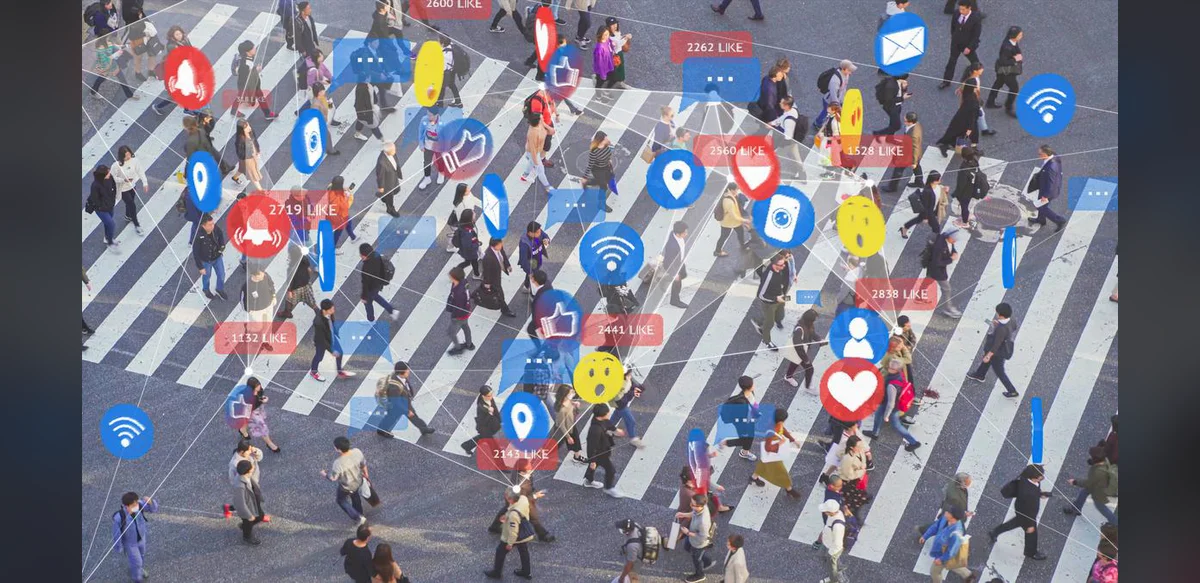
Warnings about social media dependence and lost privacy are common. This article examines the underlying processes instead. Social platforms convert digital activity into accurate forecasts using studies and data analysis rather than recording conversations.
Algorithms track every viewed video, liked post, followed account and scroll duration. Isolated signals appear insignificant, yet combined they form recognizable routines. Platforms therefore anticipate preferences without overhearing speech.
Activity spans multiple services because users often link accounts across applications. Search history on one site can influence advertisements shown on another through shared cookies and tracking pixels. Location data from GPS and network signals further refines predictions, prompting relevant local promotions during travel.
Machine-learning systems compare individual behavior against millions of others to identify correlations. Frequent use sharpens these models, producing feeds that reflect collective habits rather than personal thoughts.
India now exceeds one billion internet subscribers. Average daily social-media time stands at 3.2 hours, with 229 billion gigabytes of mobile data consumed in FY2025. Among teenagers aged 14–16, 90 percent have home smartphone access and 76 percent use social platforms for leisure.
Users can limit profiling by restricting app permissions, clearing cookies regularly, disabling personalized advertising and pausing before each interaction. Detailed profiles arise from accumulated signals, not secret recordings.

