


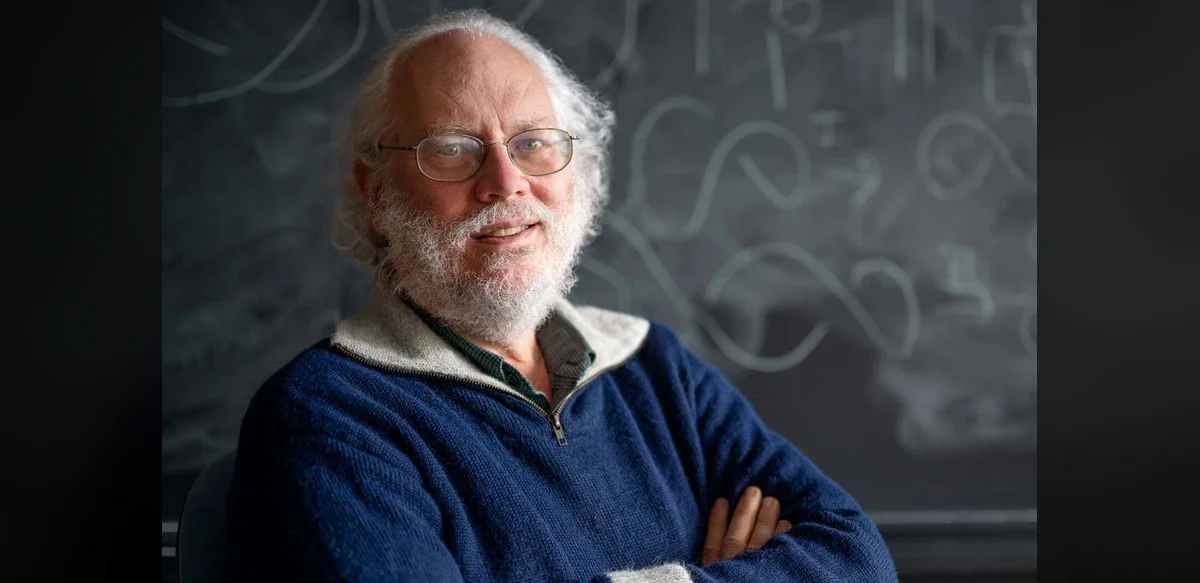
Few individuals have created an algorithm capable of triggering a global crisis, yet quantum computing expert Peter Shor shows little concern. Reporter Karmela Padavic-Callaghan met him to learn why.
Shor gained fame for developing what many consider the most consequential algorithm in quantum computing. At the Quantum.Tech World conference in Boston, he drew crowds eager for a glimpse or autograph, much like a celebrity.
In the 1990s, while at Bell Labs, Shor attended a talk by Umesh Vazirani on quantum computing. Inspired, he spent six months devising a method for quantum machines to factor large numbers efficiently. Completed in 1994, Shor’s algorithm demonstrated a practical use for such computers and accelerated efforts to build them.
Today’s encryption depends on the difficulty of factoring large numbers. A powerful quantum computer using Shor’s method could break this protection, exposing emails, medical records, and financial data.
Still, Shor believes solutions exist. “We have good methods for post-quantum cryptography, we just have to implement them,” he noted, adding that the transition will prove challenging. Standards from NIST already outline resistant encryption approaches, though updating networks at banks and hospitals will require extensive time and resources.
Progress toward capable quantum hardware continues rapidly. Major firms aim to adopt new cryptography by 2029, and a recent U.S. executive order sets 2031 as the deadline for government systems. Shor observes that current machines remain limited but will soon advance beyond experimental stages. He praises improvements in scale and error correction while cautioning that quantum computers will not speed up every computing task, such as stock predictions. Instead, they will mainly aid simulations in chemistry, biology, and certain optimization problems.

