


Proteins carry out essential tasks that support organ maintenance and development. More than twenty amino acids serve as protein building blocks, and their specific sequences determine each protein’s shape and role.
Certain amino acids contribute to particular processes. Glycine supports blood cell formation, while leucine aids muscle development, tissue repair, and energy generation. Eight additional essential amino acids cannot be synthesized internally and must come from external sources.
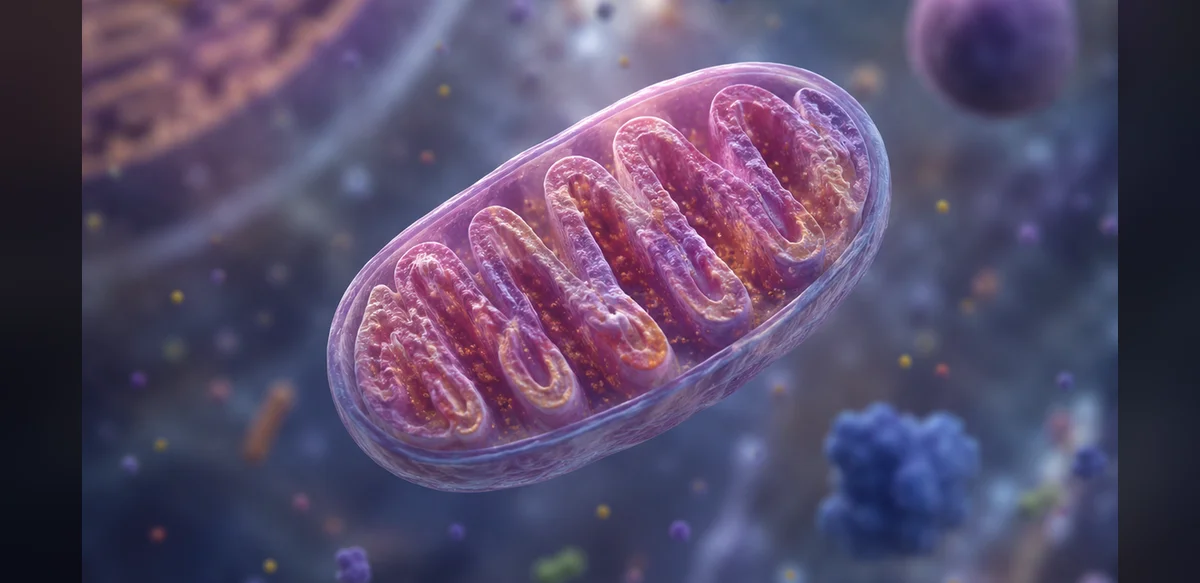
Energy production occurs in mitochondria, thread-shaped structures numbering in the thousands within each cell. These organelles generate adenosine triphosphate, the molecule that supplies cellular power.
Mitochondria maintain energy levels but face damage during oxidation, which can impair cell performance. The adult heart contains over two billion muscle cells, each holding five to eight thousand mitochondria that power continuous contraction.
Organs balance mitochondrial creation and breakdown according to energy demands. Outer membrane proteins must remain intact, as excessive loss contributes to metabolic and age-related disorders.
Leucine, a branched-chain amino acid along with isoleucine and valine, helps preserve these membranes. The body obtains BCAAs through diet. Research using roundworms demonstrated that leucine interacts with the protein SEL1L to limit premature breakdown of mitochondrial outer membrane components.
This protective action supports sustained cellular energy. Further investigation may clarify whether other branched-chain amino acids provide similar benefits.

