


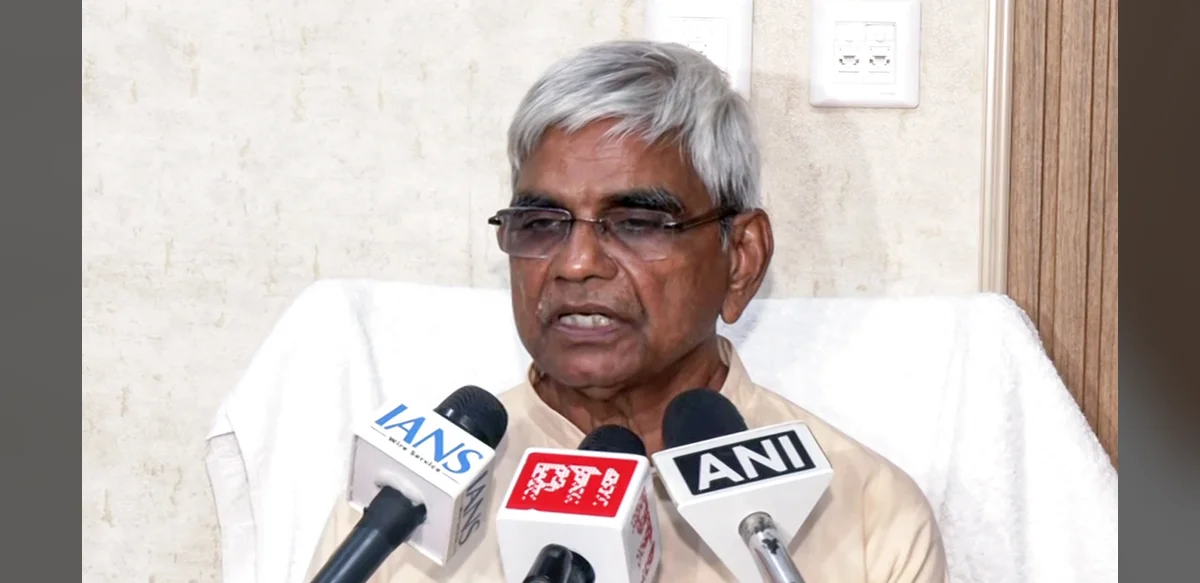
The Shri Ram Janmbhoomi Teerth Kshetra Trust has given senior RSS member and former Indian Forest Service officer Krishna Mohan responsibility for the daily operations of the Ram Temple. BJP leaders view the move as a signal beyond routine administration, aimed at strengthening outreach to Dalits before the 2027 Uttar Pradesh Assembly elections.
Krishna Mohan, 74, recently named interim general secretary of the Trust, now manages temple affairs on a regular basis. Party officials noted this marks the first time a Dalit functionary has been placed in such a prominent executive position at the site.
The decision follows the BJP’s loss in the Faizabad Lok Sabha seat, which includes Ayodhya, during the 2024 general elections. Samajwadi Party candidate Awadhesh Prasad, a Dalit leader, won despite the vote occurring months after the temple’s consecration.
BJP representatives said the appointment underscores that the temple belongs to all Hindu communities and seeks to improve ties with Dalit voters ahead of upcoming polls. It also responds to opposition claims that Dalits were excluded from major temple events, though the party has denied those accusations.
The change carries added symbolism. Krishna Mohan succeeded the late Kameshwar Chaupal, a Dalit leader who laid the first brick in the temple movement, as the Trust’s Dalit representative in September 2025. He and his wife served as ceremonial hosts during the January 2024 consecration.
Other parties are also adjusting their strategies. The Samajwadi Party plans to field more Dalit candidates, while Congress named Dalit leader Rajendra Pal Gautam as its Uttar Pradesh in-charge.
A Hardoi native, Krishna Mohan serves as the RSS regional head for eastern Uttar Pradesh. The 1978-batch officer retired in 2012 after heading forest services in Maharashtra. He previously worked as a scientist in the Department of Atomic Energy and holds a geology degree.
Within the RSS he has held city, district and provincial roles in the Awadh area. Leaders cited his administrative record and temple involvement as reasons for the selection, especially as the Trust addresses past financial issues.
Although presented as an operational choice, the elevation is seen as sending a political message ahead of key contests in Uttar Pradesh where Dalit support remains important.

