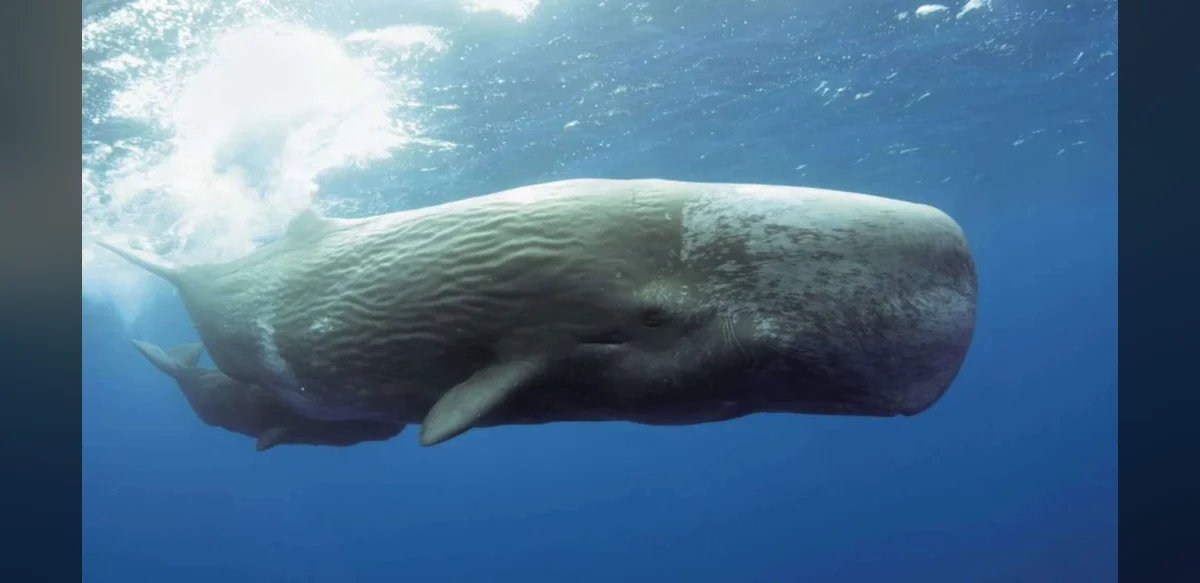
Researchers have applied artificial intelligence to examine sperm whale sounds, identifying structures resembling a phonetic system. The work also shows that whales in the eastern Mediterranean use a distinct regional dialect compared with those in the western part of the sea. These findings are changing scientific understanding of animal communication. Teams processed large sets of recorded clicks from family groups and detected patterns similar to accents, syllables and word combinations in human speech. Sperm whales live in tight social units and produce rapid click sequences called codas while foraging at great depths. Earlier studies treated these sounds as simple signals. New modeling of Caribbean recordings from 2005 to 2018 revealed that whales vary rhythm, speed and add extra clicks, creating 156 different coda types. Similar analysis of Mediterranean recordings from 2003 to 2021 found that the once-uniform 3+1 coda pattern has split by region. Western groups keep the original form while eastern groups use a faster version. Occasional switching between the two forms was also observed. The differences appear to reflect gradual cultural change passed across generations.