


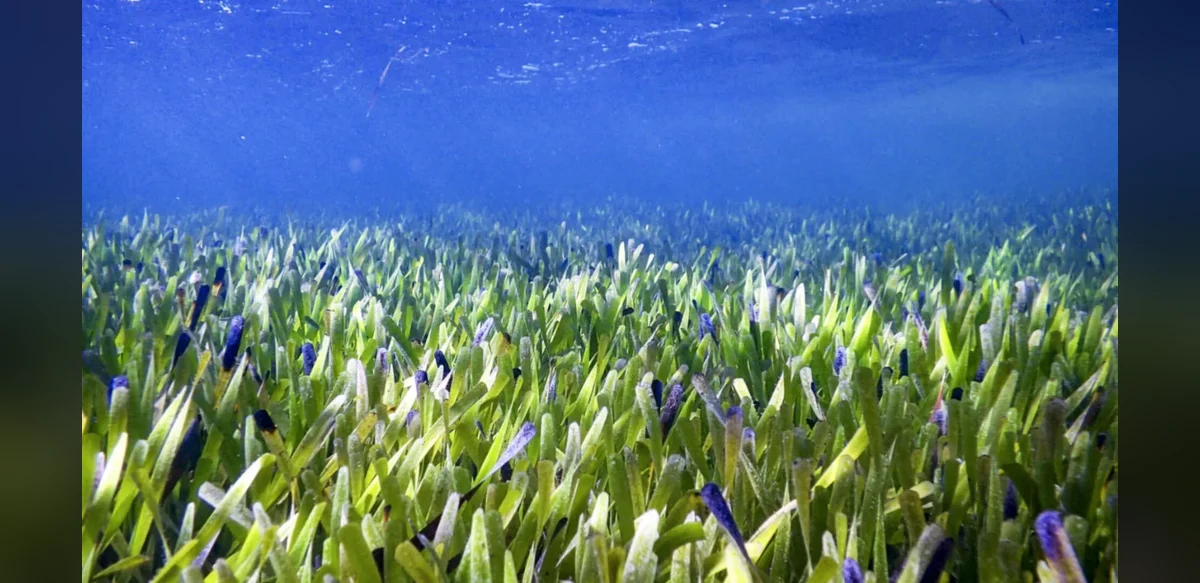
New research indicates that seagrass meadows may help address malnutrition in vulnerable coastal populations. The findings, published in Cell Reports Sustainability, come from scientists at Stockholm University and Project Seagrass. Fish from these meadows delivered a more complete set of essential nutrients than those from adjacent coral reefs.
Researchers surveyed fish across 20 seagrass sites and 20 coral reefs spanning 3,000 kilometres of East African coastline from Kenya to Mozambique. Many residents in these areas rely on fishing for both nutrition and income amid ongoing poverty.
Rather than assessing nutrients in isolation, the team evaluated the combined nutritional profile of fish, focusing on calcium, iron, zinc, selenium, vitamin A and omega-3 fatty acids. After adjusting for body weight, fish from seagrass areas proved 1.6 times more nutritionally dense on average.
The gap widened for species commonly eaten locally. For the three most important food fish, seagrass meadows supplied over eight times the nutritional value of coral reefs. Rabbitfish appeared five times more often in seagrass, while parrotfish were 65 times more abundant.
One typical fish from a seagrass meadow could meet roughly 5 percent of a child’s daily iron requirement, 21 percent of zinc needs and 70 percent of selenium needs.
The study challenges the usual emphasis on coral reefs in marine protection. Although reefs face severe threats from overfishing and warming waters, seagrass meadows are also declining rapidly from coastal development, pollution and runoff.
Both habitats require attention because they support communities differently. Coral reefs yield higher overall fish numbers, whereas seagrass areas provide greater access to nutrient-rich species. Conservation must therefore address the full seascape, including land-based measures such as improved wastewater treatment and reduced agricultural runoff.
Projects tied to carbon markets should also ensure local fishing access remains intact so communities continue to benefit from these resources.

