


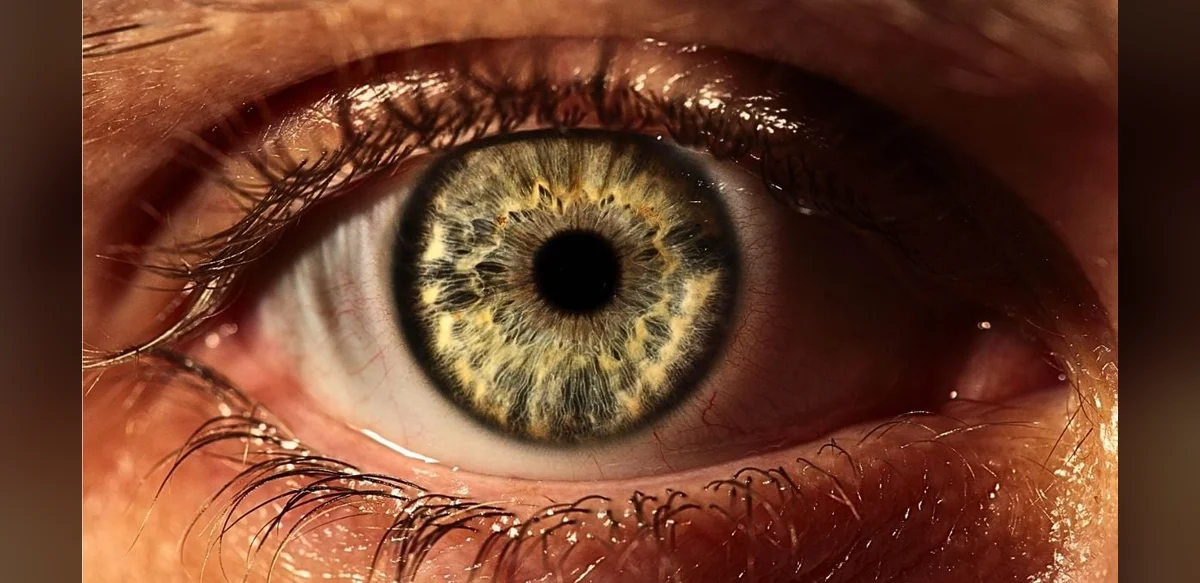
Common soft contact lenses often develop tiny scratches during handling and cleaning. Over time these microscopic marks can harm eyes and vision. Visible scratches require disposal, adding cost and waste, while smaller ones pose hidden health risks.
Chemists Jung-Hyun Choi and Byoung-Ki Cho at Dankook University in South Korea have created contact lenses that repair themselves after one hour of standard ultraviolet exposure. The material relies on a disulfide cross-linker containing a sulfur-to-sulfur bond that reforms connections after breakage.
This cross-linker was paired with a methacrylate polymer. Scratches break polymer links, yet ultraviolet light allows them to reconnect. A second polymer improves resistance to scratches and bacteria. Tests showed the new hydrogel recovered about 90 percent of its strength, retained water like existing lenses, and resisted fouling better than a standard control material.
The approach could allow existing ultraviolet cleaners to both clean and repair lenses. Earlier self-healing materials needed high temperatures, so room-temperature repair with ordinary devices marks progress. Further safety testing is required before commercial use, yet the lenses may become more durable and longer lasting.
The study appears in ACS Applied Polymer Materials.

