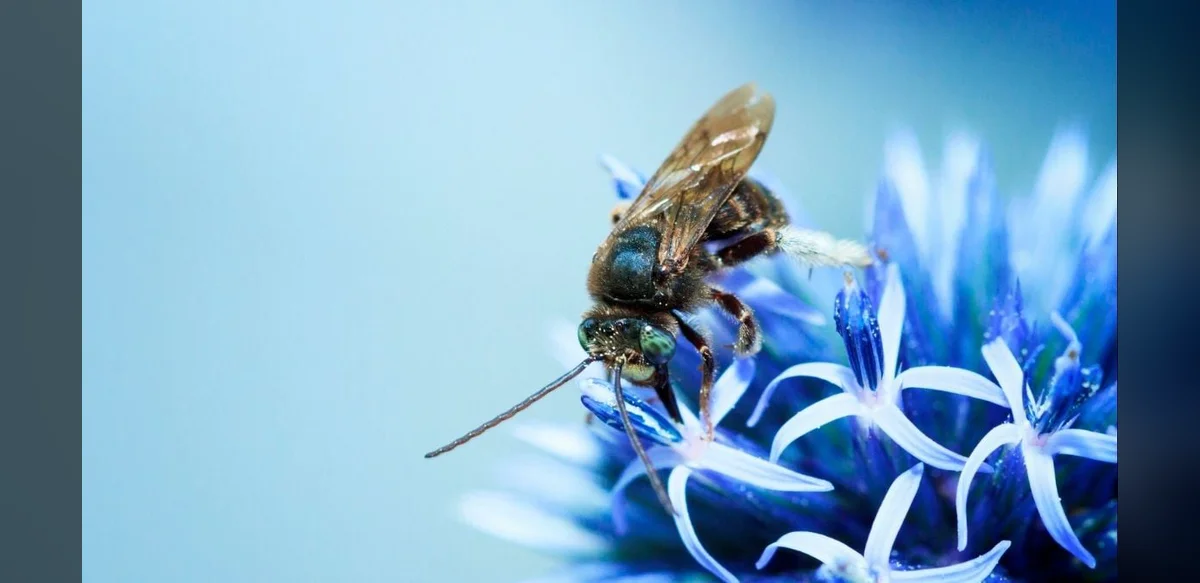
As plastic pollution grows, scientists seek lightweight, strong and biodegradable alternatives. Recent studies have examined spider silk, yet bee silk offers another option that remains largely unknown. Silk production occurs widely in nature, with at least 23 independent origins among insects including ants, bees and wasps, according to molecular biologist Oran Wasserman. Social bees use silk to line brood cells, while solitary bees, comprising about 75 percent of species, spin cocoons for protection against environmental stress. Wasserman’s team produced the first film of bee silk from the blue orchard bee, a solitary pollinator. The cocoons feature few layers yet balance gas exchange, mechanical strength, moisture control and parasite resistance. Unlike silkworms that spin continuous threads, bee larvae anchor and fasten strands in an architectural pattern. The material shows puncture resistance, flexibility, antimicrobial properties and breathability, qualities suited for sutures, scaffolds and technical textiles. The team developed a non-invasive protocol using a 3D-printed rearing system to isolate fibers directly from larvae at the start of spinning, enabling further mechanical testing without damaging strands.