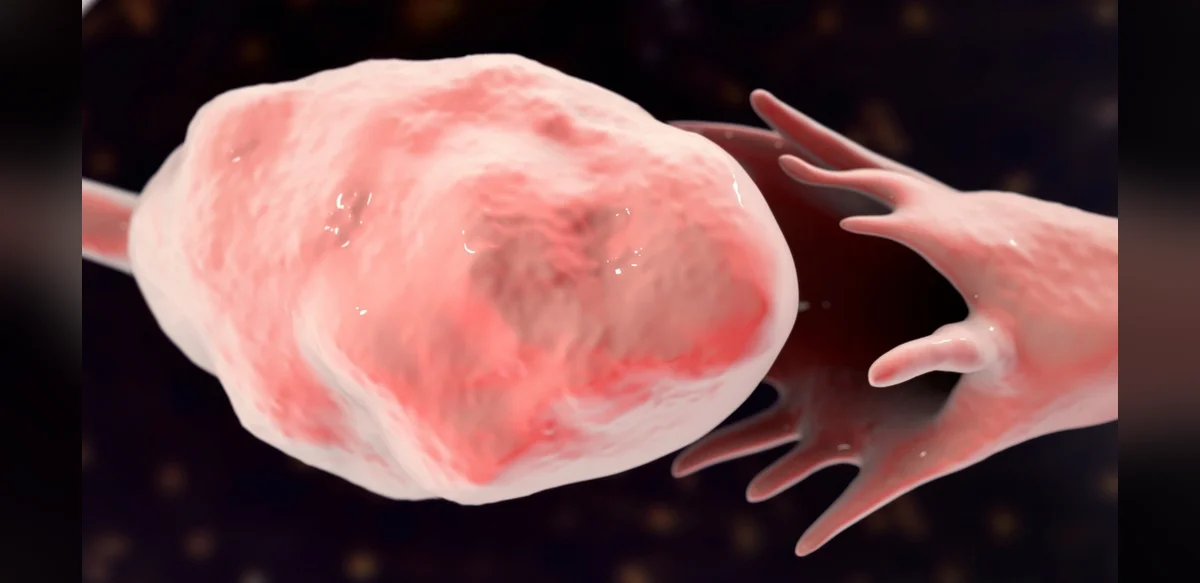
An ovary begins working from the first menstrual cycle to develop follicles that produce and release eggs for reproduction. It also performs key endocrine roles by generating hormones including estrogen, progesterone, inhibin, and testosterone that influence the entire body. A new study published in Nature Aging examined mouse ovaries collected at different ages and reproductive stages. Researchers profiled interactions among 358 oocytes, 668 follicles, and 236 corpora lutea. The results showed substantial age-related shifts in ovarian tissue long before menopause, including loss of coordination among cells that manage follicle development, ovulation, and tissue repair. Immune cell activity also changed, with rising inflammation and tissue disorganization. These patterns suggest reproductive aging involves progressive loss of tissue coordination rather than only declining egg numbers. Mouse findings offer clues for humans due to shared mammalian biology. The work may help guide care after ovary removal surgery and during natural aging. The team plans to analyze human ovarian samples across age groups to confirm the observations.