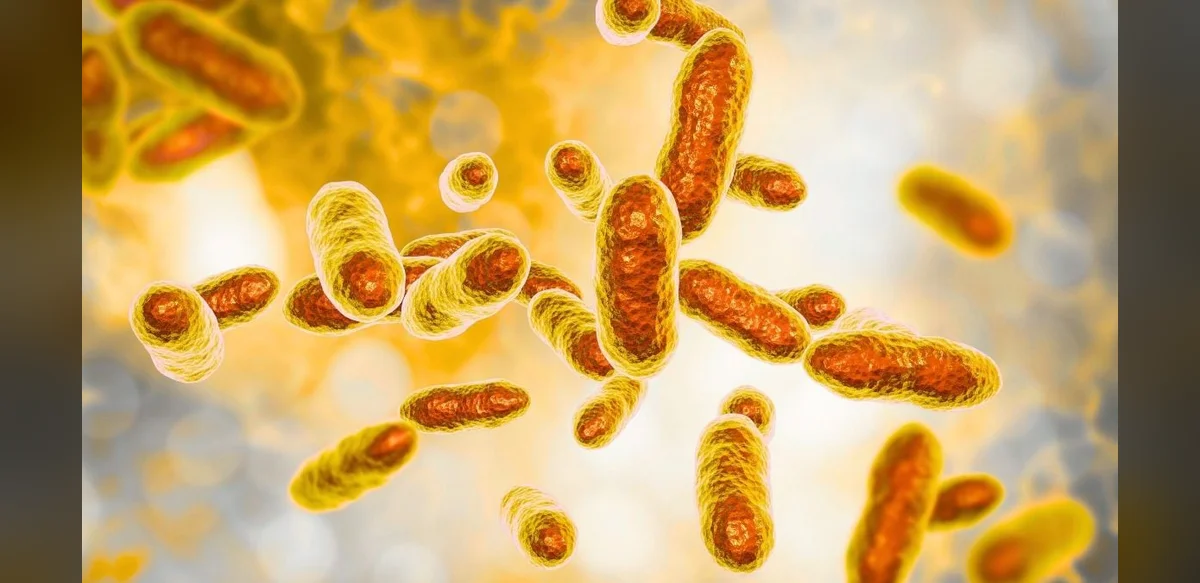
A major uranium mine in former East Germany left behind polluted water after closing in 1990. The flooded site has needed ongoing cleanup since reunification. Researchers found that microbes living in the radioactive water can change the metal into a more stable form when given glycerol. Experiments used samples from the treatment plant at the Schlema-Alberoda site. After 130 days the uranium in the water dropped to about five percent as it formed a compound with iron and oxygen. The process works best without oxygen and when the water later contacts air. Similar contamination affects groundwater in several countries. The study suggests these microbes could support cheaper cleanup methods than current chemical treatments, though further tests are required. Results appeared in Nature Communications.