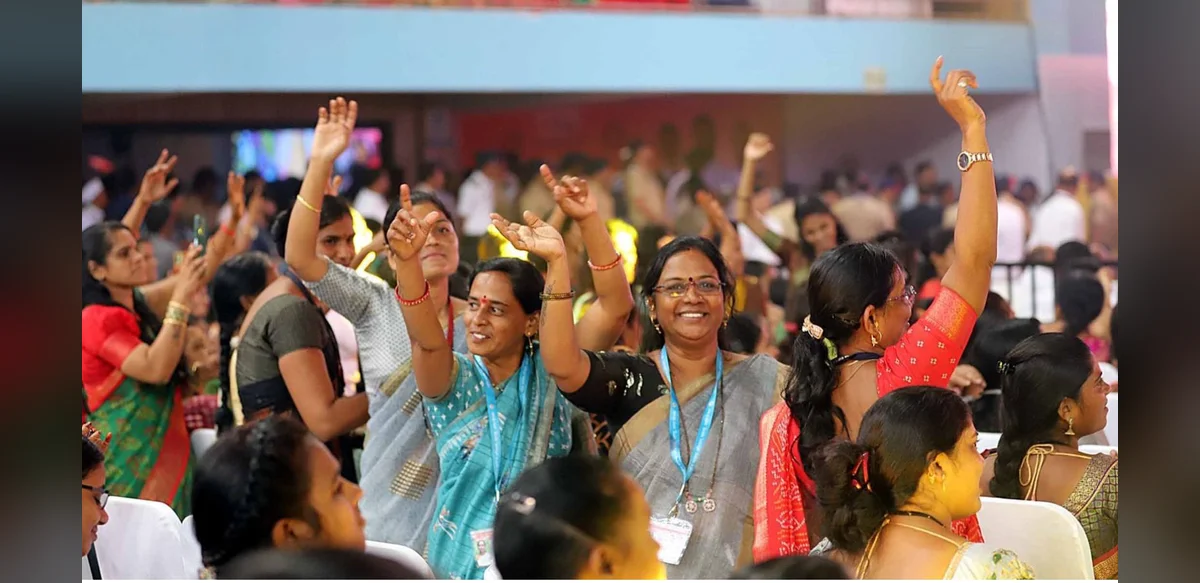
Two years ago, Maharashtra’s Mahayuti government under Eknath Shinde launched the Majhi Ladki Bahin Yojana to attract women voters before assembly elections. Eligible women receive Rs 1,500 monthly directly into their accounts. With 4.6 crore women among 9.5 crore voters, roughly 2.46 crore aged 21-65 qualified, exceeding half of female voters. The NDA alliance benefited in the state elections, securing a strong win over the Maha Vikas Aghadi after earlier Lok Sabha losses. However, the policy carries costs. By July 2026, the Devendra Fadnavis-led government removed 92 lakh beneficiaries for ineligibility, leaving 1.51 crore women, a 37 percent reduction. With no elections imminent and no major crises, the coalition took this step. Questions persist on why verification was skipped initially and why ineligible recipients continued for two years. Women and Child Development Minister Aditi Tatkare called checks difficult due to scale and noted reliance on self-compliance. This contrasts with stricter reviews for farmer loan waivers. The government avoided cuts before local polls to prevent alienating women voters. Now it seeks to control spending while pledging the scheme continues. Chief Minister Fadnavis affirmed no doubt over its future, though political needs drive efforts to remove ineligible cases. From launch in June 2024, the scheme strained finances with Rs 46,000 crore allocated, limiting flexibility. Post-reduction, annual costs are projected at Rs 22,000-25,000 crore. Additional outlays include Rs 25,000 crore for free farm power and Rs 36,585 crore for loan waivers, totaling Rs 1 lakh crore across three programs. A finance official noted poll politics often overrides fiscal rules, as seen in Maharashtra. The scheme also fueled internal alliance tensions. BJP and Shiv Sena both sought credit at launch, yet Sena ministers later opposed fund diversions from their departments. Education, health and housing budgets reportedly shrank due to the scheme’s scale. Late Deputy Chief Minister Ajit Pawar had flagged long-term risks, but allies prioritized electoral gains after the 2024 general election setback. Of those removed, 29,000 were men and 8,000 were government staff who did not qualify.